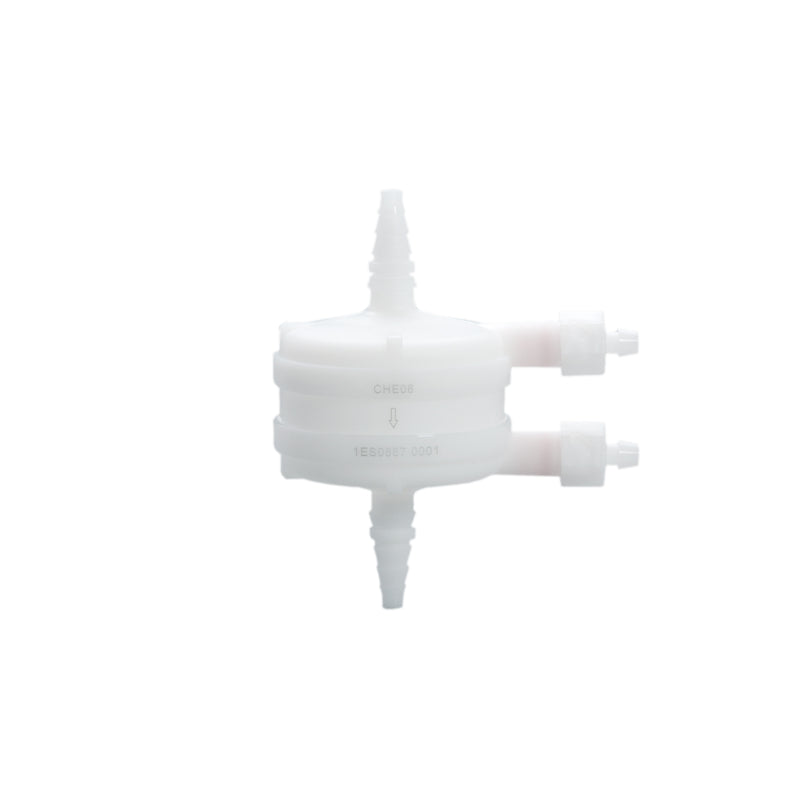
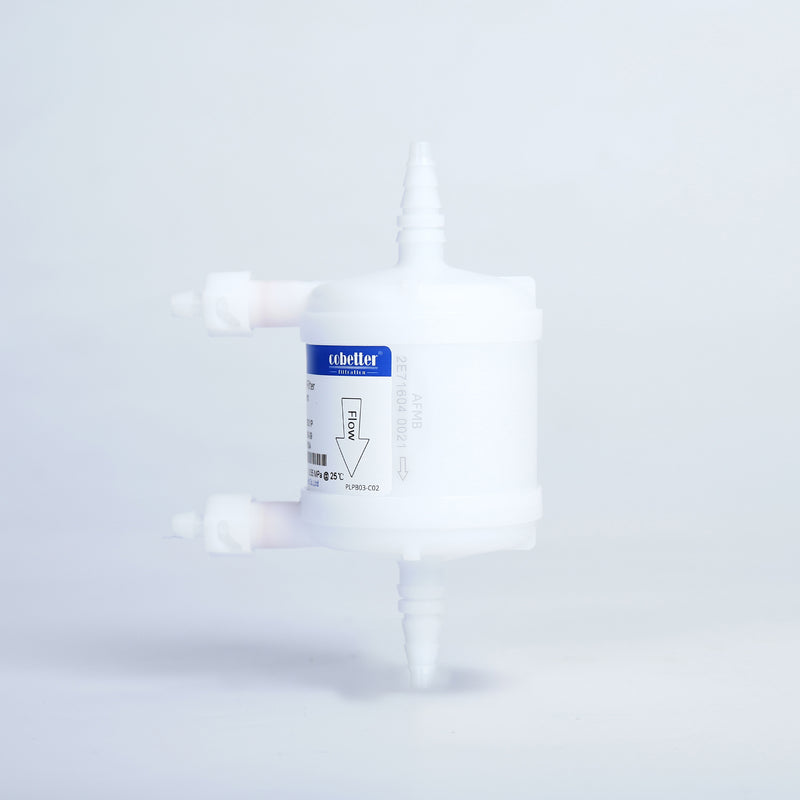
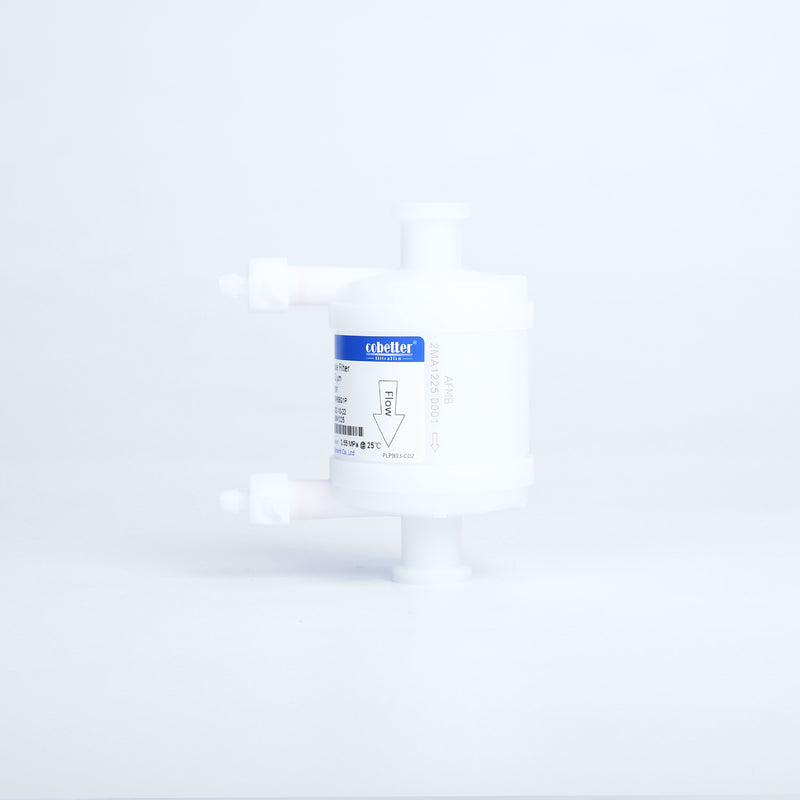
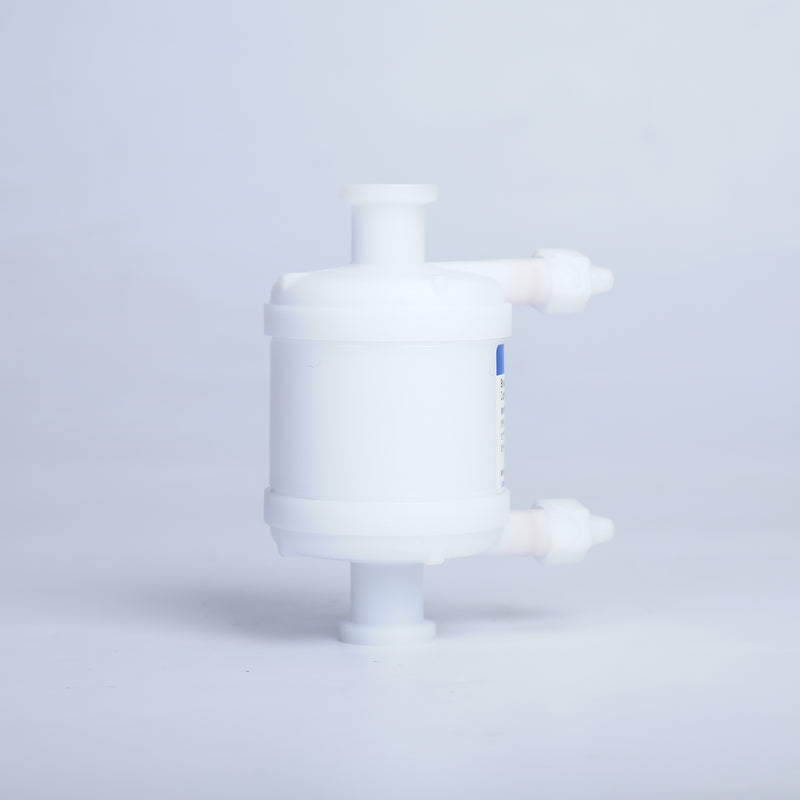
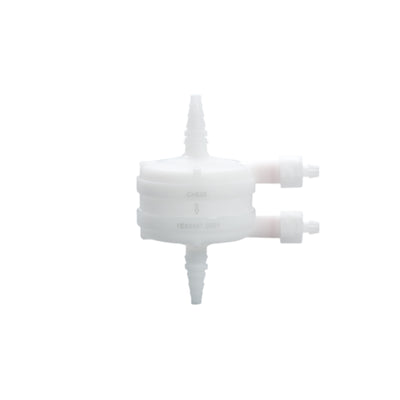
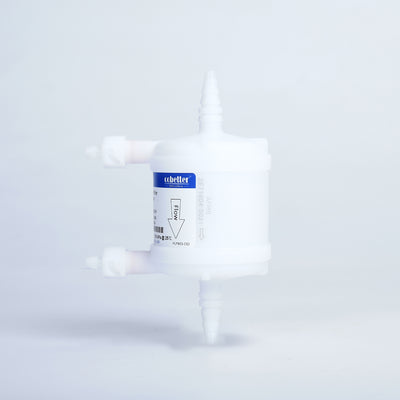
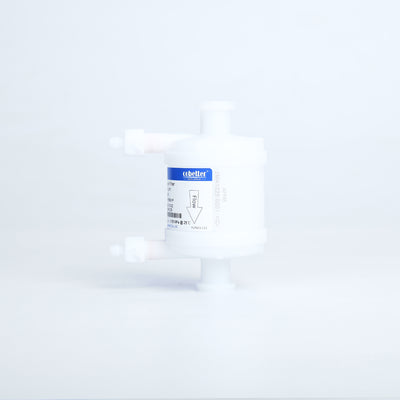
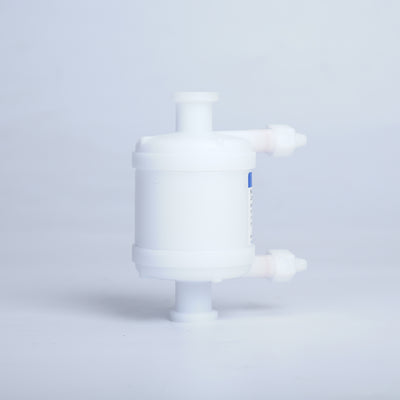
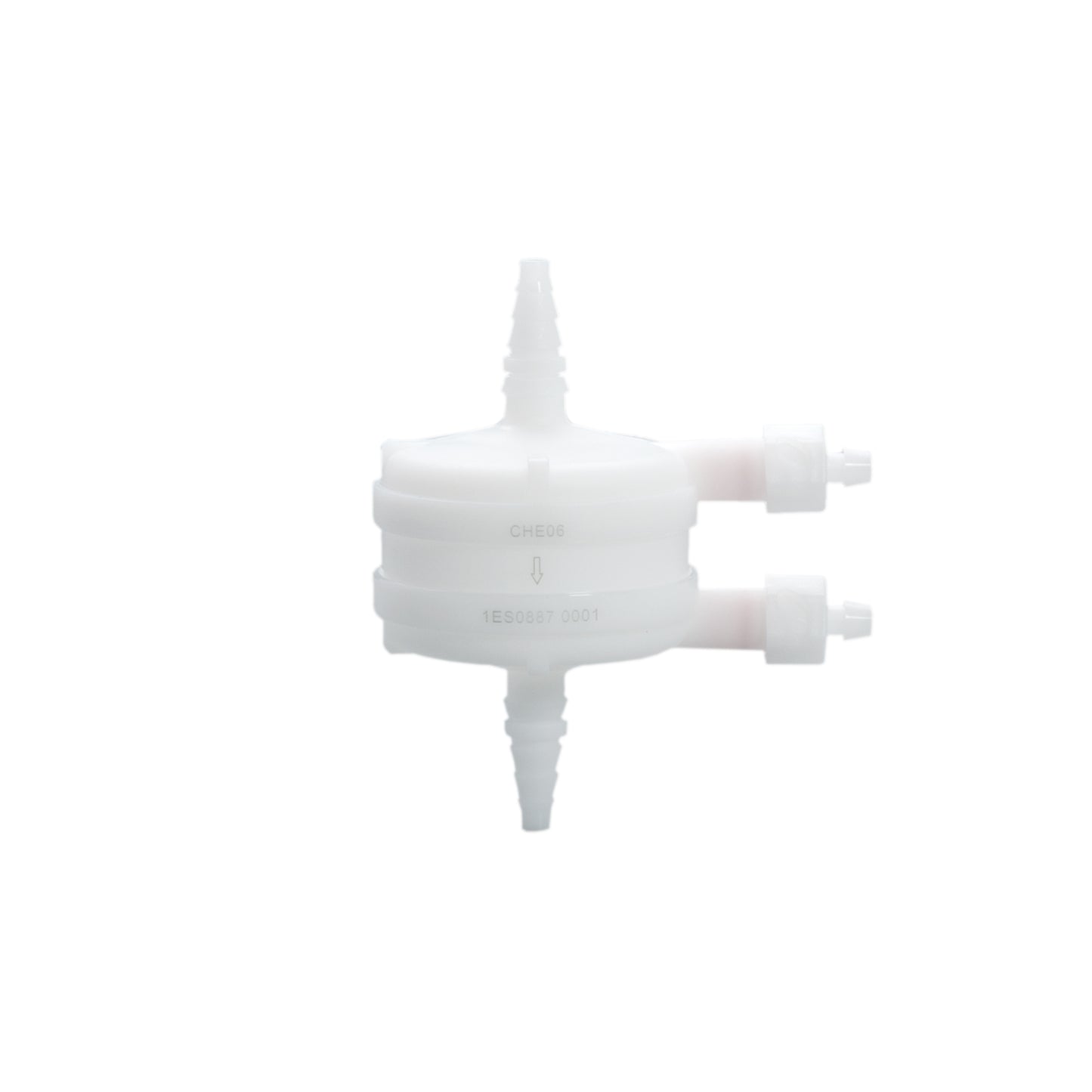
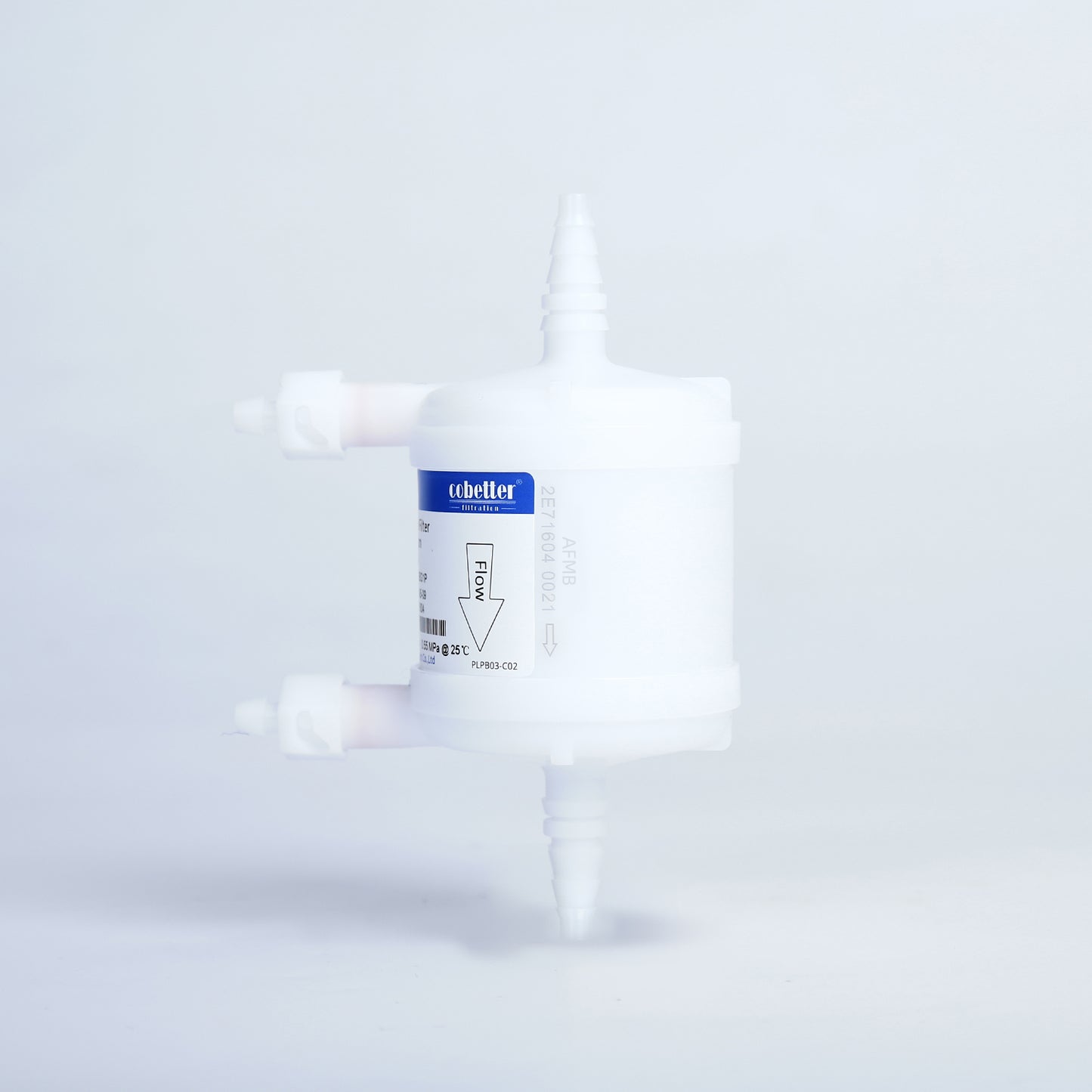
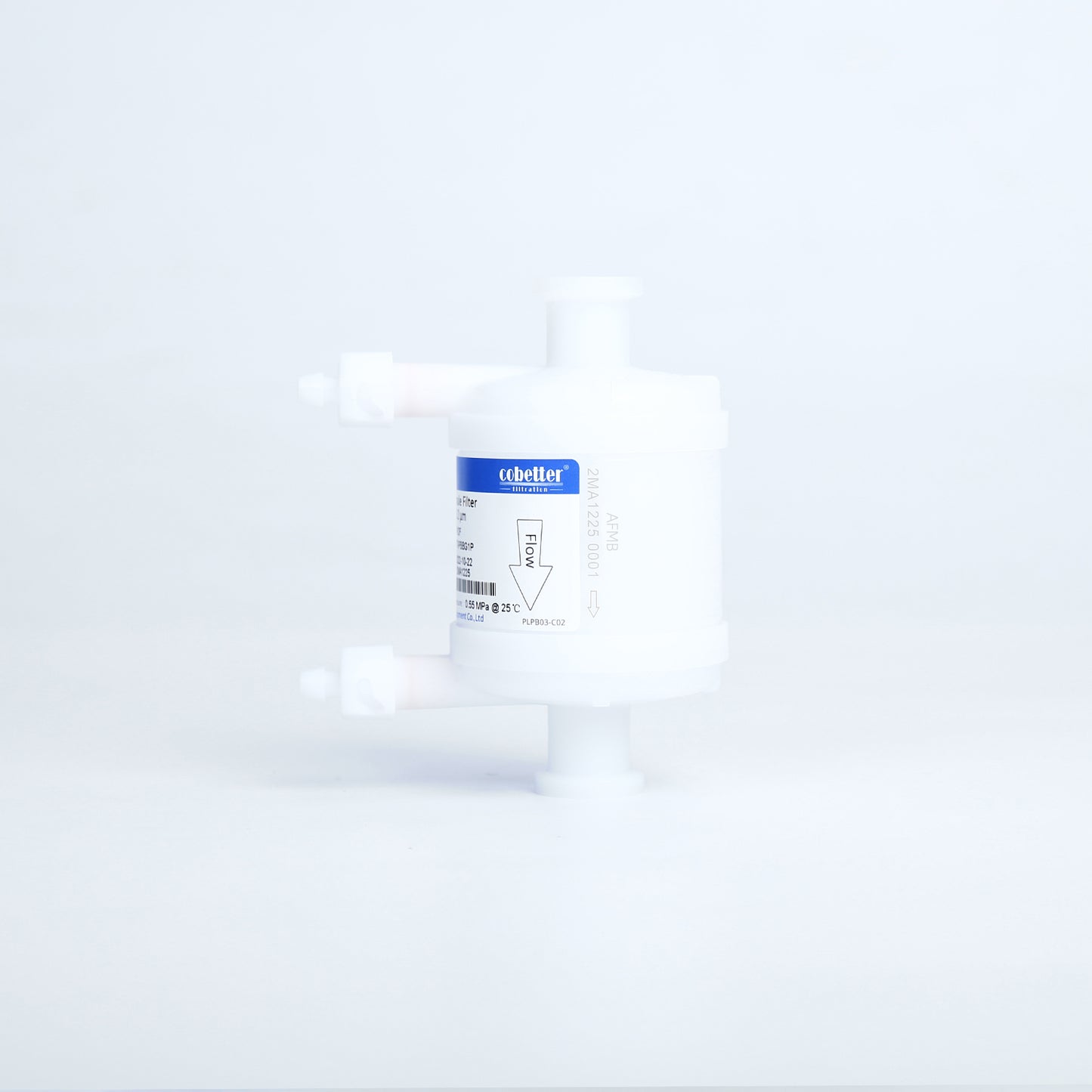
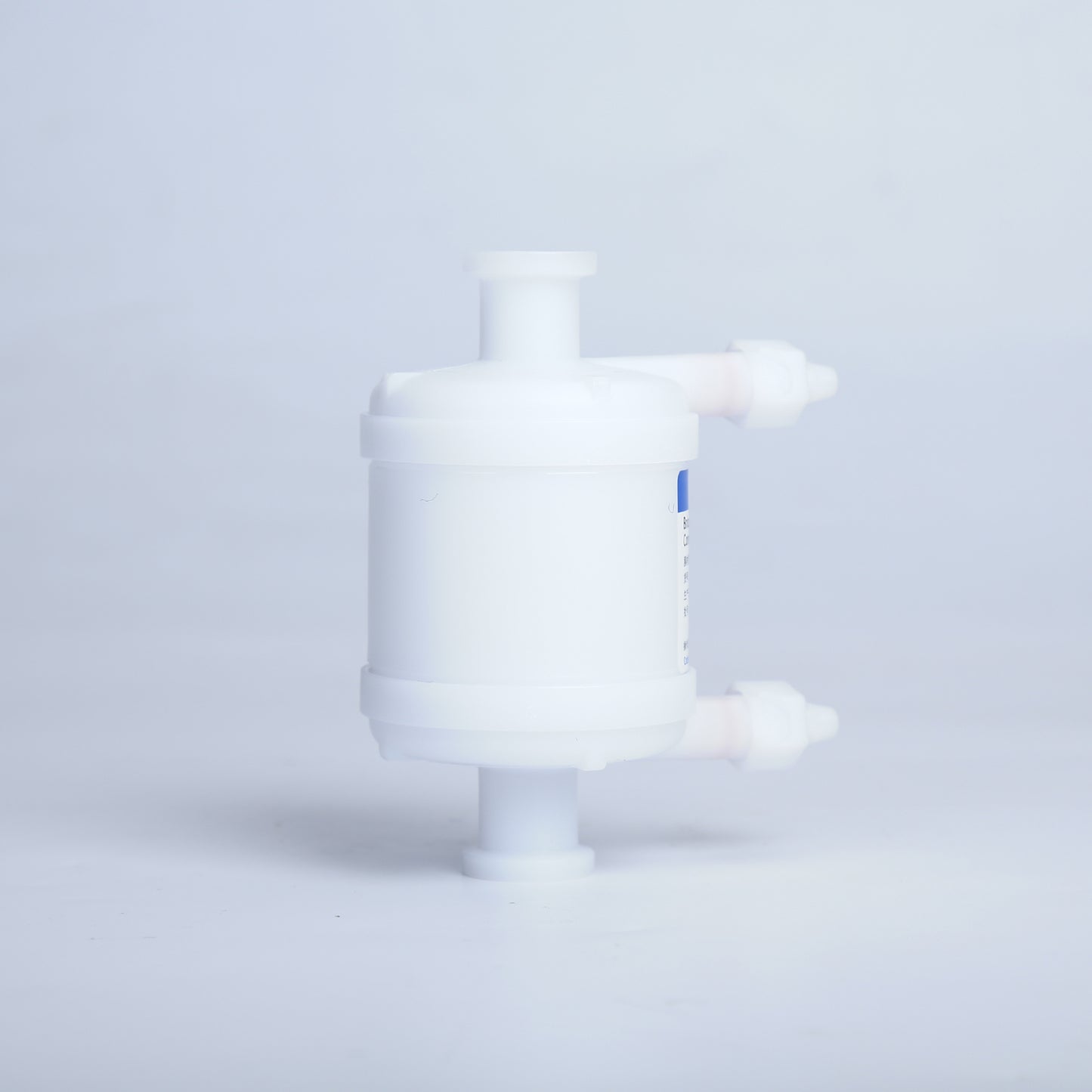
Safesure™ AFM 0.2 μm PTFE Sterilizing-Grade Bricap C Small-scale Capsule Filter, for Gas Filtration

In stock
Part No. C01BBAFMBA1P
Regular price $63.00 USD
Filter Size
Connectors
Sterility
Loading locations...
*Ships within 10-15 Business Days
*Customers are responsible for any import duties or taxes
*Read our Shipping Policy and Refund Policy
*Not for medical use

Safesure™ AFM filters are made of naturally hydrophobic 0.2 μm PTFE membrane, delivering high microbial retention efficiency, high flow rates, and low pressure drop. The membrane structure ensures stable and reliable performance in sterile gas filtration applications while maintaining excellent gas permeability.

Features

  • Hydrophobic Polytetrafluoroethylene (PTFE) 0.2 μm Membrane. High retention rate, high throughput and low pressure differential.
  • Sterilizing -grade Filter: Bacterial Retention validated according to ASTM F838, each filter is integrity tested prior to release.
  • Linear Scale Up: Available in small-scale capsule filter for process development, and large-scale capusle filter and filter cartridge for commercial GMP manufacturing.

Applications

  • Vent filter for fermentation, storage tanks
  • Sterile filtration for compressed air, oxygen, nitrogen
  • Single-use system application

Quality Standards

  • ISO 9001: 2015 Quality Management System
  • Manufactured for use in conformance with cGMP
  • Each product is integrity tested prior to release
  • Unique serial number for full traceability
  • COA/COQ provided with shipment
  • Validation documents are available upon request
Physical Properties Filter Format Bricap™ C Capsule Filter
Scale Pilot Scale
Filtration Area 270 cm², 620 cm², 970 cm²
Pore Size 0.2 μm
Pre-filter /
Bubble Point (per 0.68 m²) ≥0.11 Mpa @20°C, 60% IPA 40% water, air
Materials Membrane Material Polytetrafluoroethylene(PTFE)
Support Fleece Polypropylene (PP)
Housing Material Polypropylene (PP)
O-ring / Seal Silicone
Operating Conditions Max. Differential Pressure (Forward) 0.55 MPa @25°C, 0.1 MPa @80°C
Max. Differential Pressure (Reverse) 0.21 MPa @25°C
Regulatory Compliance Compliance USP <788> Particulate Matter
USP <87> Cytotoxicity
USP <88> Biological Reactivity
FDA Indirect Food Additives, 21 CFR 177-182
ADCF Materials
Bacterial Retention 10⁷ cfu/cm² Brevundimonas diminuta (ATCC 19146) according to ASTM F838
Bacterial Endotoxin Endotoxin Limit of WFI System<0.25 EU/mL with the Limulus Amebocyte Lysate (LAL), USP <85>
Non-Fiber Releasing The products meet the criteria as defined in 21 CFR 210.3(b)(6)
Sterility Sterilization Method Autoclavable: 25 cycles for 30 min @130°C (SIP not compatible)

Gamma Compatible: can be sterilized by gamma irradiation or be autoclaved 5 cycles for 60 min @126°C

Pre-sterilized: by gamma irradiation at 25–45 kGy

Pre-sterilized: by autoclaved packed in cleansteam bag
Package Pack Size Pack of 1
Packaging Individually packed in a double PE bag


How to choose the materials for gas filters?

Gas filters are generally made from hydrophobic materials, such as PTFE and PVDF.

Is gas filtration precision the same as liquid filtration precision?

Because the filtration mechanisms differ between gases and liquids, gas filtration generally removes smaller particulate contaminants, so gas filtration precision is relatively higher than that of liquid filtration.

How to prevent premature clogging of gas filters?

1. Select appropriate filter materials and pore sizes based on product compatibility and impurity profile.
2. Adding a pre-filtration step to remove large particulates and extend the service life of the final sterilizing-grade filter.
3. Design and control the process to prevent premature filter wetting.

How to perform integrity testing for gas filters?

For most gas filters, water intrusion can be used for integrity testing. For gas filters with smaller surface areas or low water intrusion flow rates, organic solvents may also be used for wetting to conduct bubble point or difffusion flow tests.

What are the advantages and benefits of Cobetter gas filters?

1. A variety of materials to meet specific process requirements are available.
2. Different filtration precision configurations, such as single-layer, double-layer, and multi-layer setups, can enhance filtration flux and extended service life.
3. Hydrophobic and oleophobic properties improve resistance to clogging.
4. Strong chemical compatibility and high-temperature resistance.