Purcise™ SLE 0.2 μm PES Sterilizing-Grade Bricap L Capsule Filter

In stock
Part No. L02SSSLESA1QP
Regular price $174.00 USD
Filter Size
Conectors
Sterility
Loading locations...
*Ships Out within 8-12 Business Days
*Customers are responsible for any import duties or taxes
*Read our Shipping Policy and Refund Policy
*Not for medical use

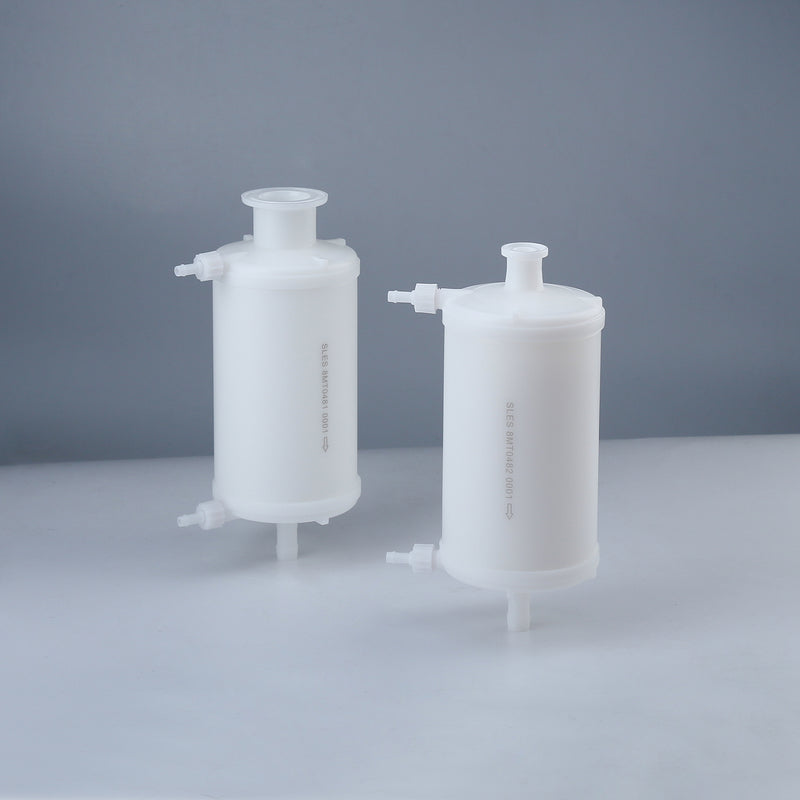
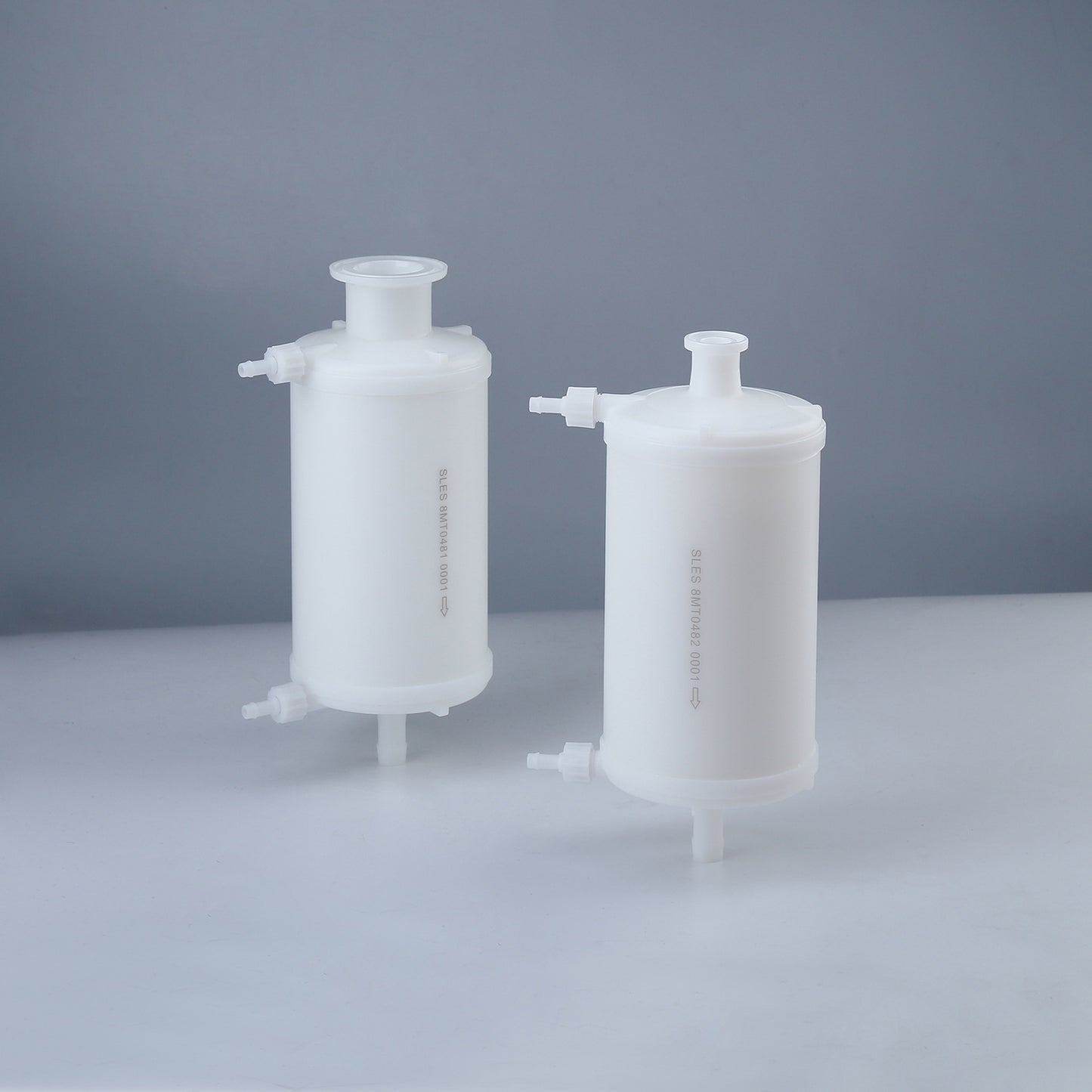
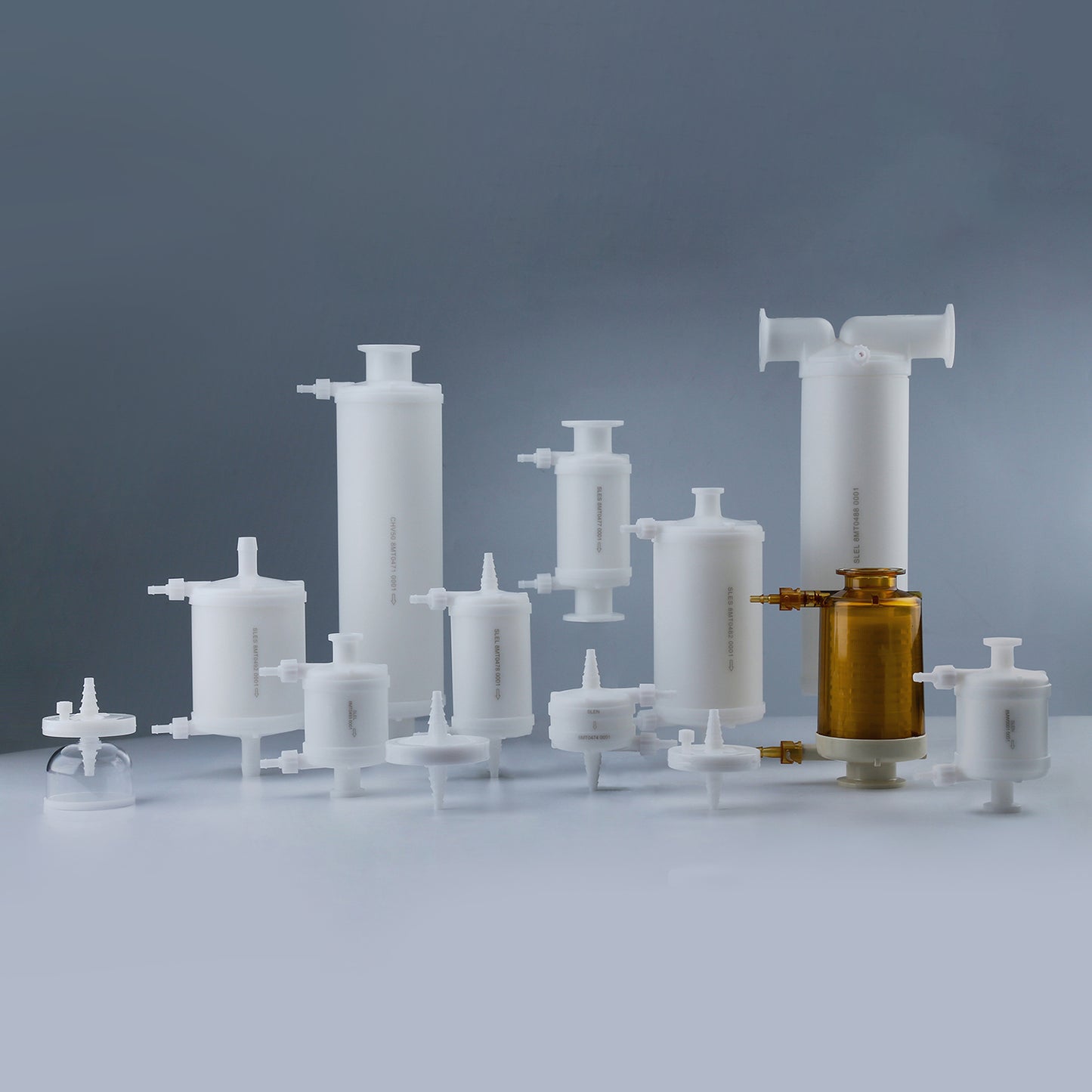
Bricap™ L capsule filters are designed for large-scale production with robust construction and high flow rates. They are available in six filtration area options ranging from 0.12 m² to 1.65 m².

Purcise™ SLE features sterilizing-grade filters with double-layer hydrophilic Polyethersulfone (PES) membrane, offering low protein adsorption and excellent filtration efficiency, making them a preferred solution for final sterile filtration in biopharmaceutical manufacturing processes.

Features

  • Double Layer Hydrophilic Polyethersulfone (PES) Membrane: 0.45 μm pre-filter + 0.2 μm final filter membrane, ensuring high throughput and flow rate. Exceptional chemical compatibility. Low adsorption and low leachable.
  • Sterilizing -grade Filter: Bacterial Retention validated according to ASTM F838, each filter is integrity tested prior to release.
  • Linear Scale Up: Available in syringe filter for filterability study, small-scale capsule filter for process development, and large-scale capusle filter and filter cartridge for commercial GMP manufacturing.

Applications

  • Sterile filtration of terminal products
  • Sterile filtration of biological products
  • Blood and serum products
  • Sterile filtration of vaccine products
  • Pre-column/ultra-filtration protection
  • Filtration of intermediate products/stock solutions

Quality Standards

  • ISO 9001: 2015 Quality Management System
  • Manufactured for use in conformance with cGMP
  • Each product is integrity tested prior to release
  • Unique serial number for full traceability
  • COA/COQ provided with shipment
  • Validation documents are available upon request
Physical Properties Filter Format Bricap™ L Capsule Filter
Scale Pilot to Production Scale
Filtration Area 0.12 m², 0.16 m², 0.28 m², 0.55 m², 1.1 m², 1.65 m²
Pore Size 0.2 μm (final-filter)
Bubble Point (per 0.55 m²) ≥0.39 MPa at 20 °C, water wetted, air
Materials Membrane Material Polyethersulfone (PES)
Support Fleece Polypropylene (PP)
Housing Polypropylene (PP)
O-ring / Seal Silicone
Operating Conditions Max. Differential Pressure (Forward) 0.55 MPa at 25 °C
0.1 MPa at 80 °C
Max. Differential Pressure (Reverse) 0.21 MPa at 25 °C
Regulatory Compliance Compliance USP <788> Particulate Matter
USP <87> Cytotoxicity
USP <88> Biological Reactivity
FDA Indirect Food Additives, 21 CFR 177-182
ADCF Materials
Bacterial Retention 10⁷ cfu/cm² Brevundimonas diminuta (ATCC 19146) according to ASTM F838
Bacterial Endotoxin Endotoxin Limit of WFI System<0.25 EU/mL with the Limulus Amebocyte Lysate (LAL), USP <85>
Non-Fiber Releasing The products meet the criteria as defined in 21 CFR 210.3(b)(6)
Sterility Sterilization Method Autoclavable: 25 cycles for 30 min @130 °C (SIP not compatible)

Gamma Compatible: can be sterilized by gamma irradiation or be autoclaved 5 cycles for 60 min @126 °C

Pre-sterilized: by gamma irradiation at 25–45 kGy

Pre-sterilized: by autoclaved packed in cleansteam bag
Package Pack Size Pack of 1
Packaging Individually packed in a double PE bag


What is the difference between nominal-rated membranes and absolute-rated membranes?

Nominal-rated membranes and absolute-rated membranes differ in manufacturing processes and materials. PP and GF membranes are nominal-rated and are typically used for clarification to remove visible particles, but they cannot be subjected to integrity testing. PES, PVDF, PTFE, and nylon are mostly absolute-rated membranes. They are generally used for bioburden reduction or sterile filtration of liquid and gas, with established standards for integrity testing.

How to define sterilizing-grade filters?

Sterilizing-grade filters are required to produce a sterile filtrate in a standard microbial challenge test (1 × 10⁷ CFU/cm² of Brevundimonas diminuta) and to establish a clear correlation with a practicable non-destructive physical integrity test. Such filters are commonly described as having a nominal pore size of 0.2/0.22 µm.

Can a 0.45 µm filter achieve complete sterilization?

A 0.45 µm absolute-rated filter can remove larger bacteria and microorganisms, with a removal efficiency of greater than 90%, and therefore can only be classified as a bioburden-reducing (or bacteria-reducing) filter. To achieve complete bacterial removal, a 0.22 µm absolute-rated filter is recommended.

What materials and filter formats are available for Cobetter sterilizing-grade filters?

Cobetter offers sterilizing-grade filters made from PES, PVDF, PTFE, and other membranes. The available formats include syringe filters, capsule filters in various sizes, and cartridge filters.

What are the advantages and benefits of Cobetter sterilizing-grade filters?

1. Gradient pore structure design, which enhances filtration flux and dirt-holding capacity.
2. Low extractables and leachables, with low protein binding.
3. Available in single-layer or composite membrane configurations.
4. Comprehensive product range and multiple connection options, suitable for a wide variety of application scenarios.