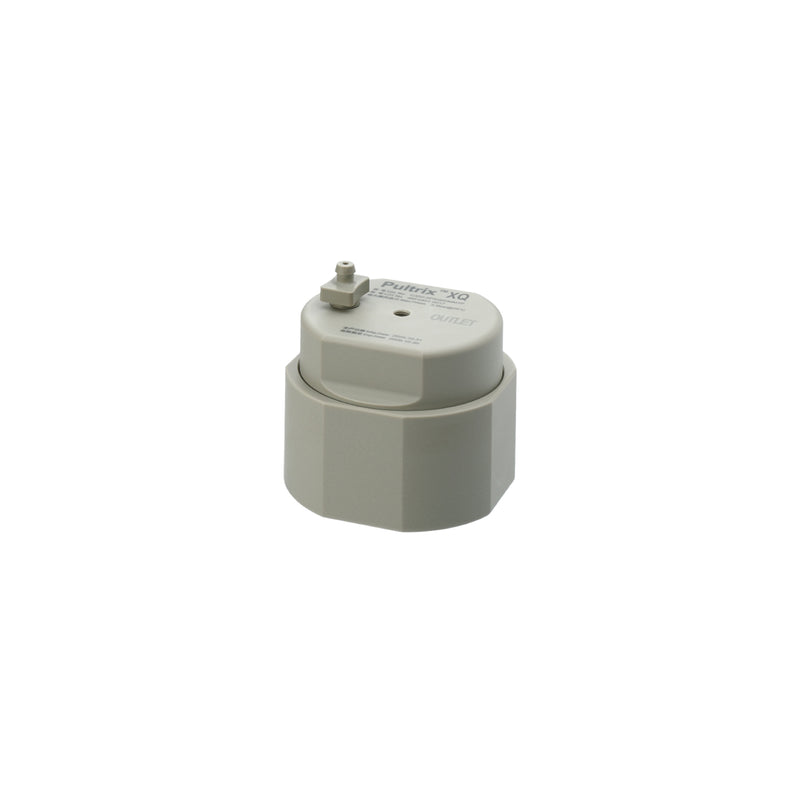
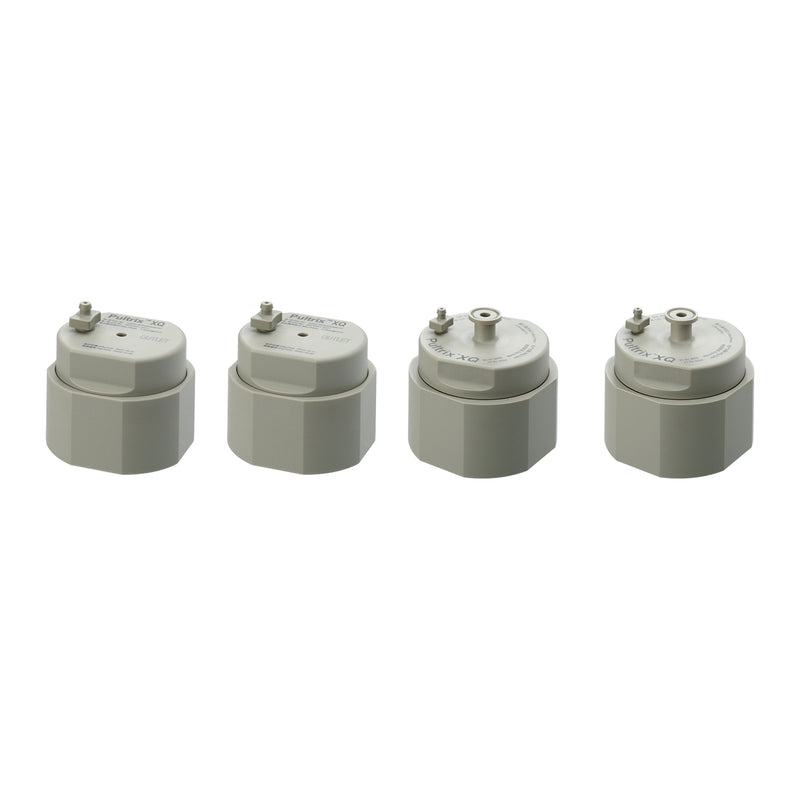
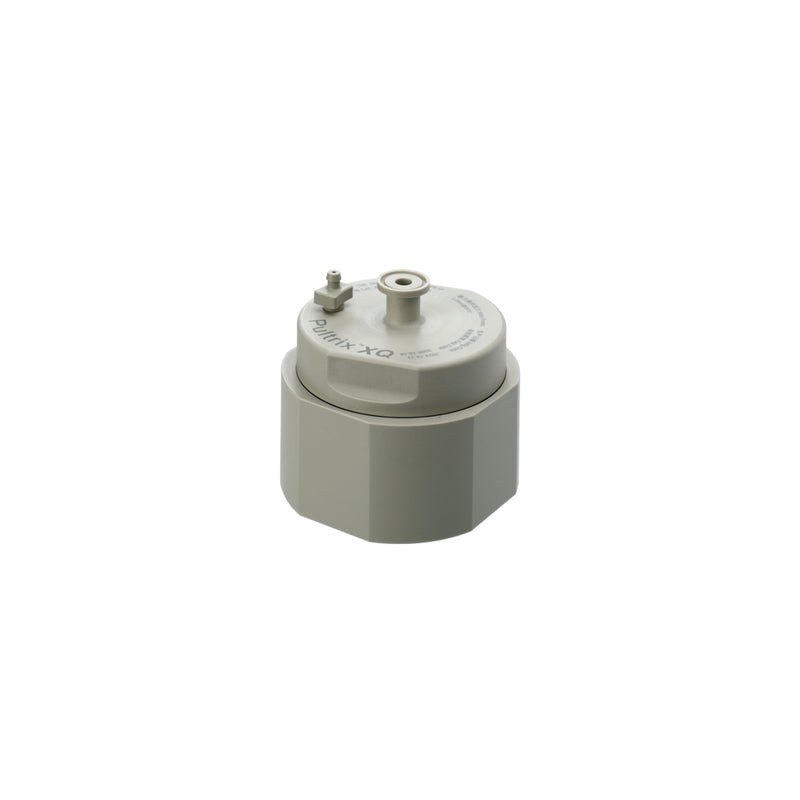
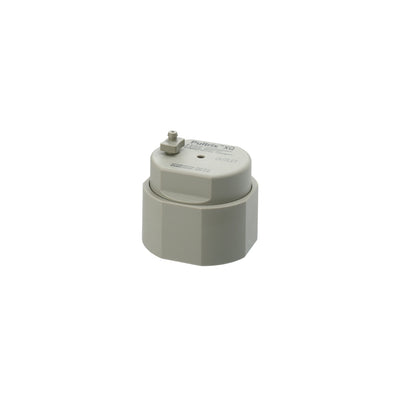
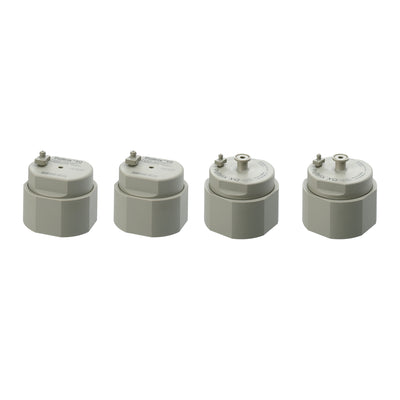
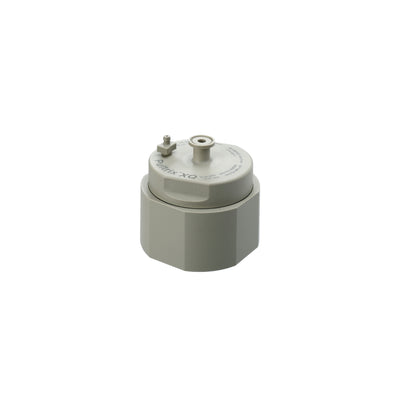
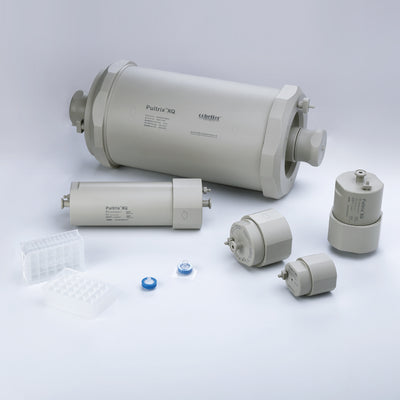
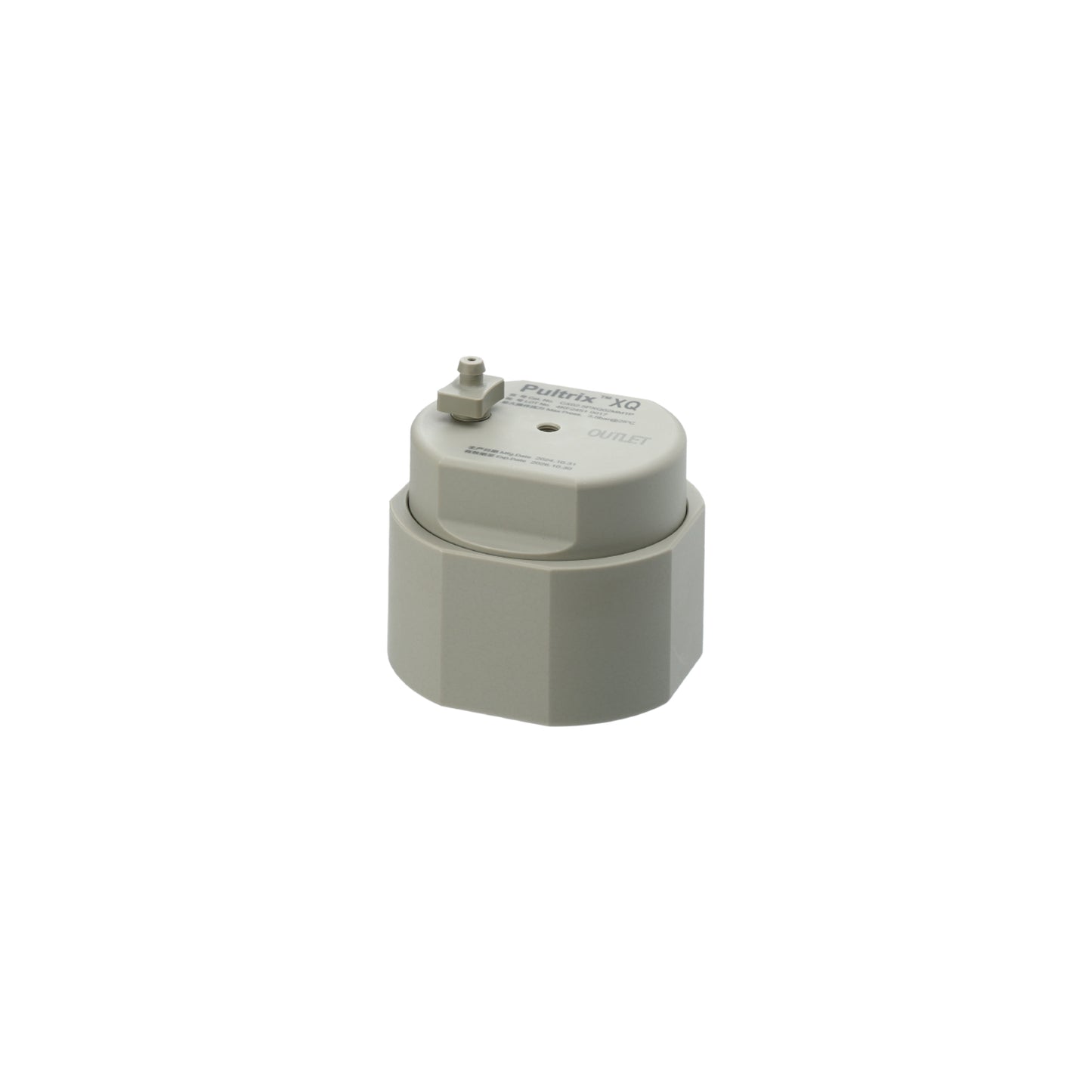
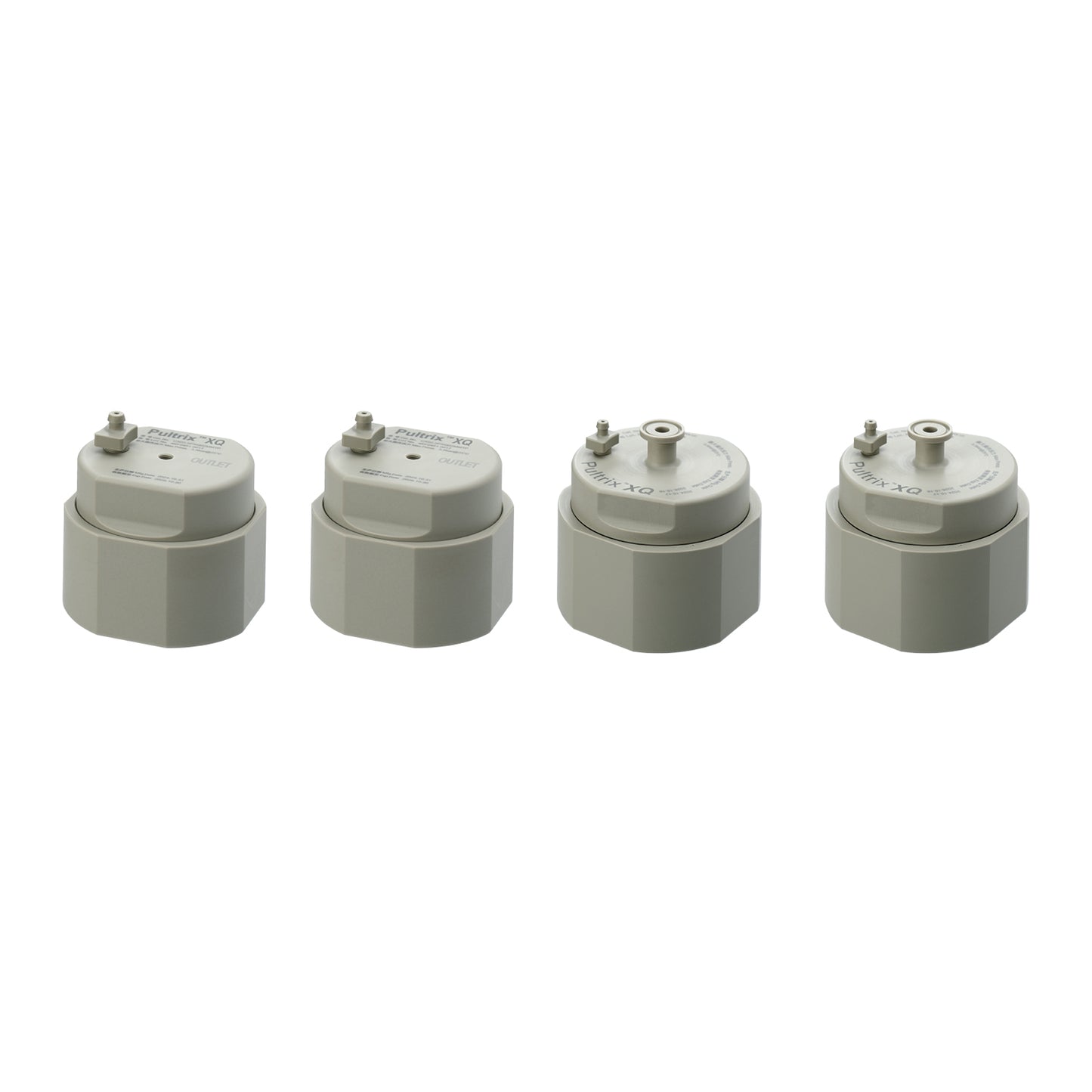
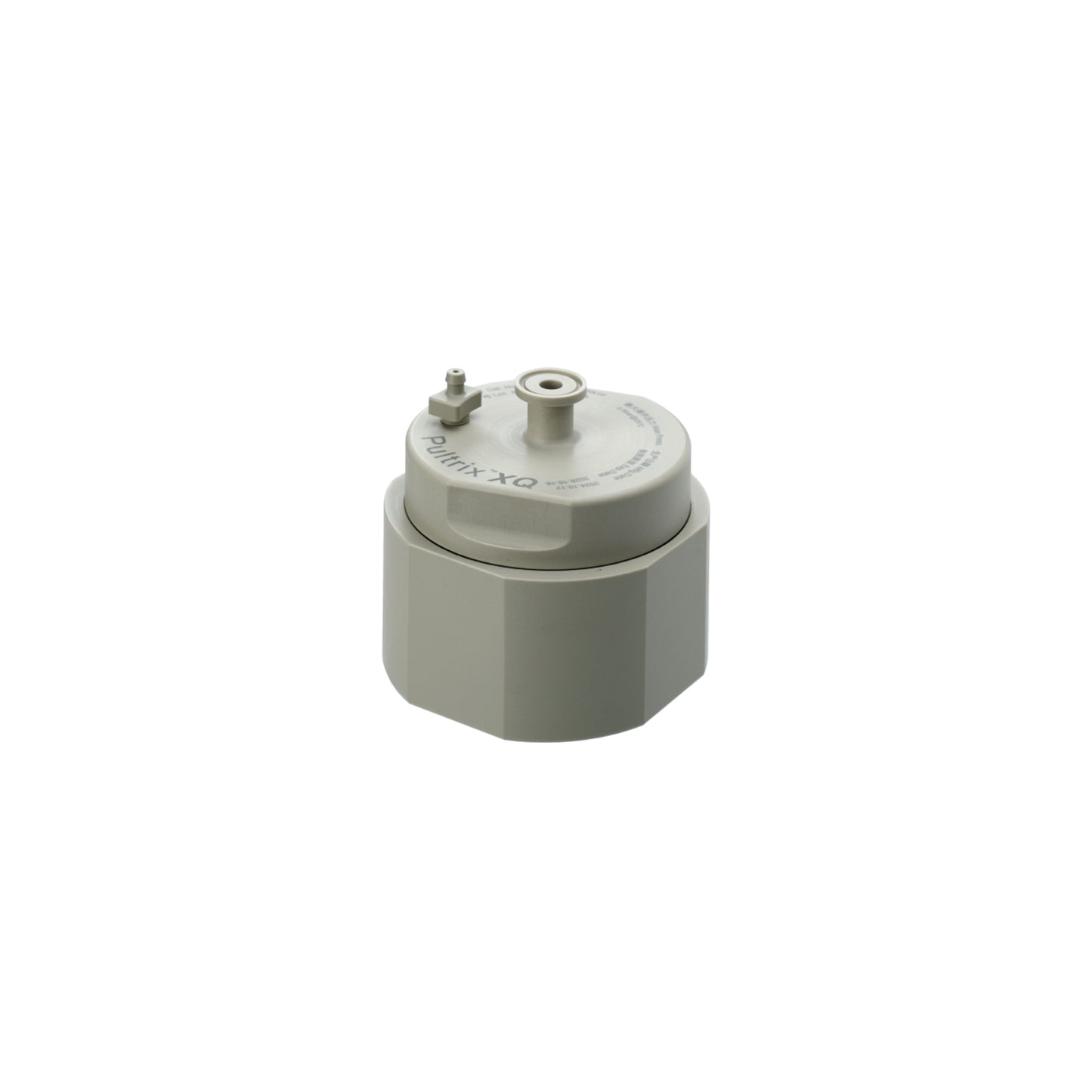
Pultrix™ XQ Membrane Chromatography Lab Capsule Filter

In stock
Part No. CX02.5PXQ02MM1P
Regular price $200.00 USD
Volume
Loading locations...
*Ships Out within 12-15 Business Days
*Customers are responsible for any import duties or taxes
*Read our Shipping Policy and Refund Policy
*Not for medical use

Pultrix™ XQ membrane adsorber is an innovative strong anion exchange ligand based on membrane technology. It utilizes a crosslinked polymer coating functionalized with high-density quaternary ammonium (Q) groups to facilitate the capture and purification of negatively charged biomolecules.

Pultrix™ XQ membrane adsorber features a highly interconnected membrane structure (2 μm nominal pore size) and a high density of quaternary ammonium ligands, delivering a large surface area and excellent accessibility for the capture of DNA, proteins, and other large biomolecules. Its open-channel design enables convective flow, ensuring rapid and efficient binding of target molecules. Compared to traditional chromatography resins, XQ membranes support significantly higher flow rate and offer superior dynamic binding capacity for large entities such as host cell DNA, plasmid DNA, host cell proteins, and enveloped viruses — reducing process time and achieve cost reduction effect.

Features

  • High Binding Efficiency: Based on convective mass transfer, charged biomolecules are captured in a single pass through the membrane adsorber, without relying on retention time.
  • High Flow Rates: 10 MV/min within pressure limits by using membrane adsorbers increases productivity by 30-50 times compared to traditional packed-bed chromatography.
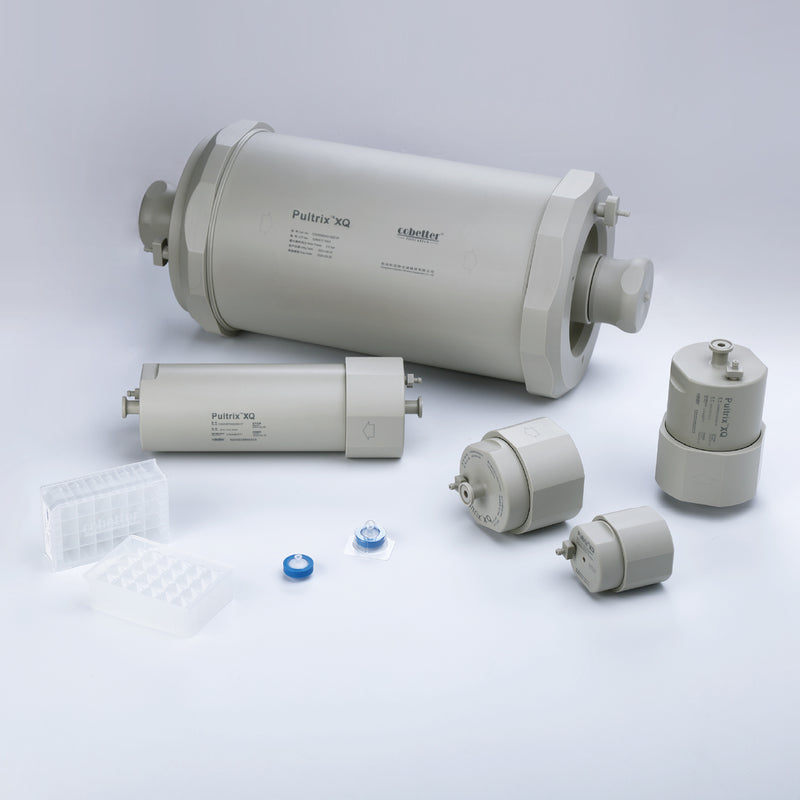
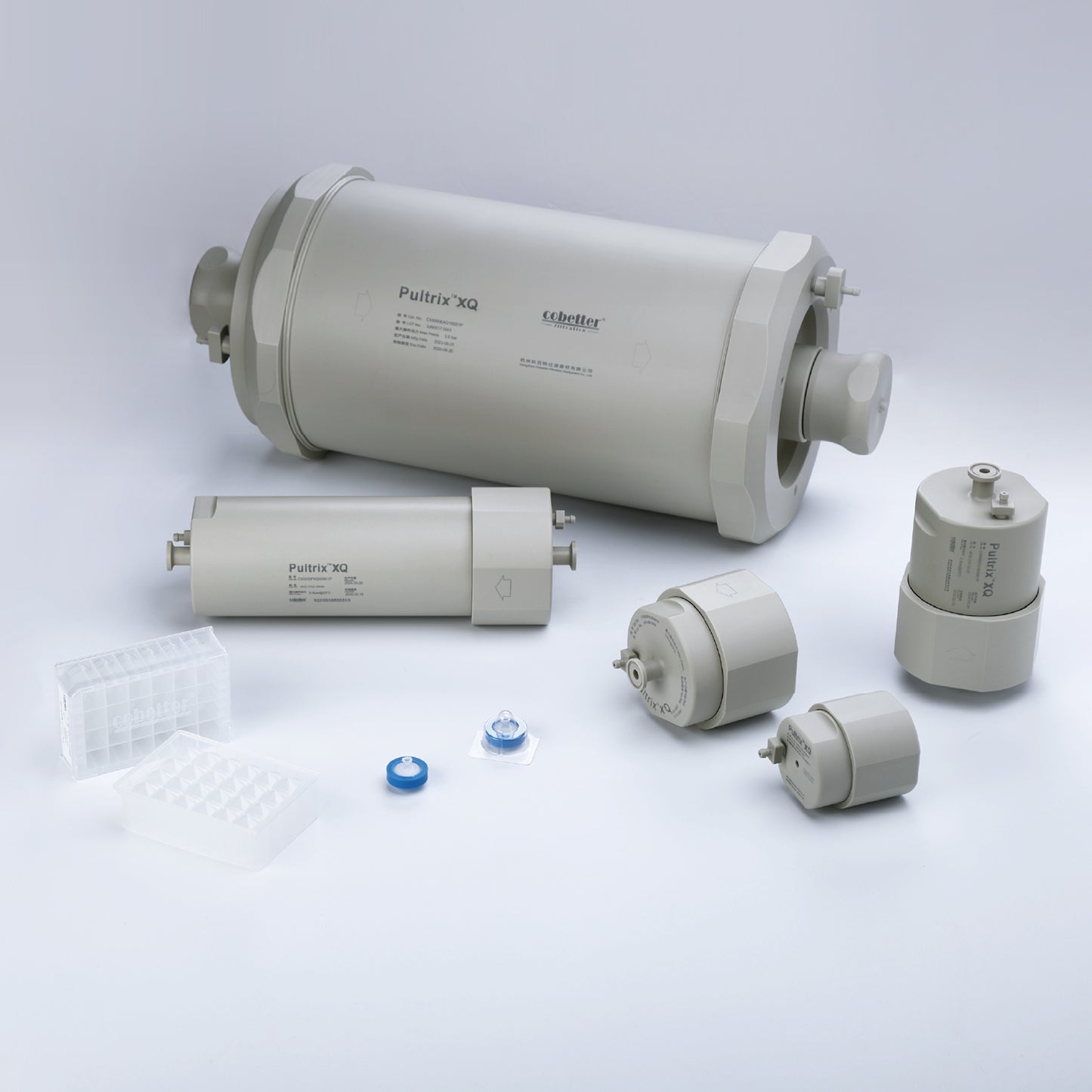
  • Linear Scalability and Flexibility: A full range of membrane adsorber, from process development to production scale.
  • Cost-effective: Compared to conventional column, it can significantly reduce overall costs at both the IND and commercial stages.
  • Easy to Use: Only a simple connection for immediate use

Applications

  • Plasmid capture from lysate (integrated lysate concentration/buffer exchange, size exclusion, and anion exchange – as in traditional plasmid purification)
  • Purification of biological fluids through the removal of host-derived DNA, viruses, host cell proteins (HCPs), and endotoxins
  • Designed for the capture large biomolecular targets such as recombinant proteins, plasmids, viral vectors, and plasma constituents

Quality Standards

  • ISO 9001: 2015 Quality Management System
  • Manufactured for use in conformance with cGMP
  • Each product is integrity tested prior to release
  • COA/COQ provided with shipment
  • Validation documents are available upon request
Physical Properties Filter Format Purcise™ XQ Capsule Filter
Membrane Type Strong Anion Exchange Membrane
Scale Process Development
Scale-down Study
Membrane Volume CX02.5 - 2.5 mL (2 membrane layers)
CX0004 - 4 mL (3 membrane layers)
CX0025 - 25 mL (2 membrane layers)
CX0030 - 30 mL (3 membrane layers)
Pore Size 2 μm (nominal)
BSA Binding Capacity 70 mg/mL
Flow Path Configuration Radial Flow Capsule
Applications Typical Application Capture and Polishing
Materials Membrane Material Polypropylene (PP)
Ligand Quaternary Ammonium
Housing Material Polypropylene (PP)
Operating Conditions Max. Operating Pressure 3 bar
Recommended Flow Rate CX02.5: 2.5-62.5 mL/min
CX0004: 4-100 mL/min
CX0025: 25-625 mL/min
CX0030: 30-750 mL/min
Pre-use Storage Condition Room Temperature or 2~8°C
Post-use Storage Solution 0.1M NaOH
Connections Inlet CX02.5 & CX0004: M6 Tapered Thread Port
CX0025 & CX0030: TC 25
Outlet CX02.5 & CX0004: M6 Tapered Thread Port
CX0025 & CX0030: TC 25
Package Pack Size Pack of 1
Packaging Individually packed in double PE bag
  • Cobetter_Pultrix_XQ_Membrane_Chromatography_20250620 Download
What are the differences between membrane chromatography and traditional packed-bed chromatography?

1. Different separation media
2. Different mass transfer mechanisms
3. Different separation efficiency
4. Different operating costs

What are the advantages of membrane chromatography compared to traditonal packed-bed chromatography?

1. Membrane chromatography products are ready to use out of the box, requiring no column packing or column efficiency testing.
2. Membrane chromatography is based on convective mass transfer, which is significantly more efficient than the diffusion-controlled mass transfer of traditional packed-bed chromatography. This allows much higher flow rates during processing.
3. Well suited for single-use technologies, eliminating the need for cleaning validation and reducing the risk of cross-contamination.
4. Easy scale-up, which can be achieved linearly by increasing membrane area or stacking additional membrane layers, resulting in shorter process development timelines.
5. Low dead volume, leading to reduced buffer consumption.
6. Lower overall purification costs.

Are Cobetter membrane chromatography products single-use?

Cobetter membrane chromatography products can be used as single-use solutions. At the same time, Cobetter has conducted a series of reuse validation studies, and the results demonstrate that the products maintain good performance under repeated use.

How effective is the virus removal performance of Cobetter Q membrane chromatography?

Validation test shows that under specific operating conditions, the virus clearance remains greater than 4 log (>4 log reduction) even after 50 reuse cycles.

Can Cobetter membrane chromatography be scale-up linearly, and are different product formats available?

Cobetter membrane chromatography products support linear scale-up. Different membrane chromatography product series are available in multiple specifications and formats, making selection convenient for various process requirements.