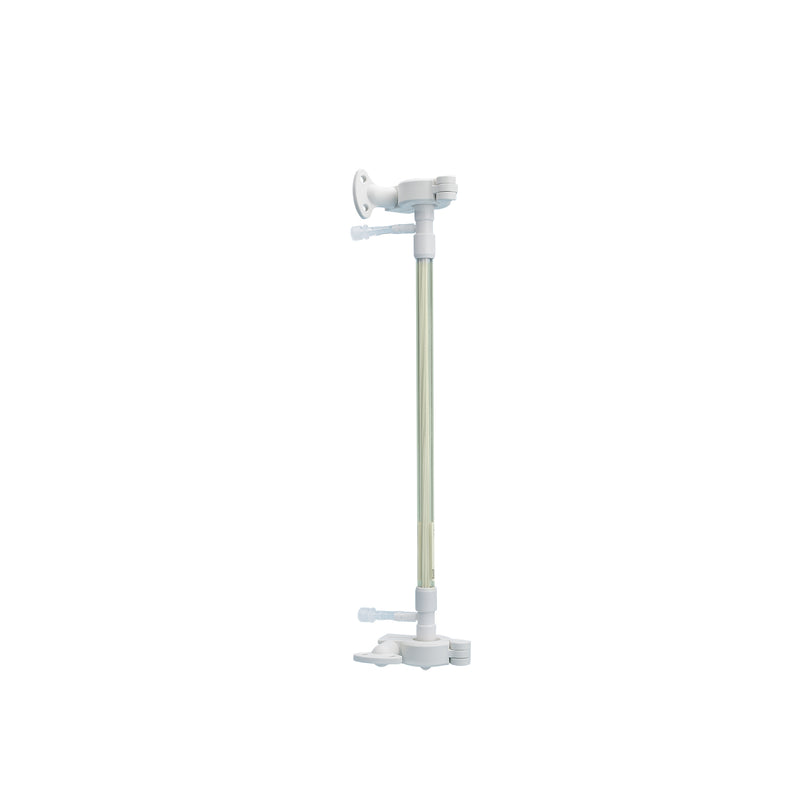
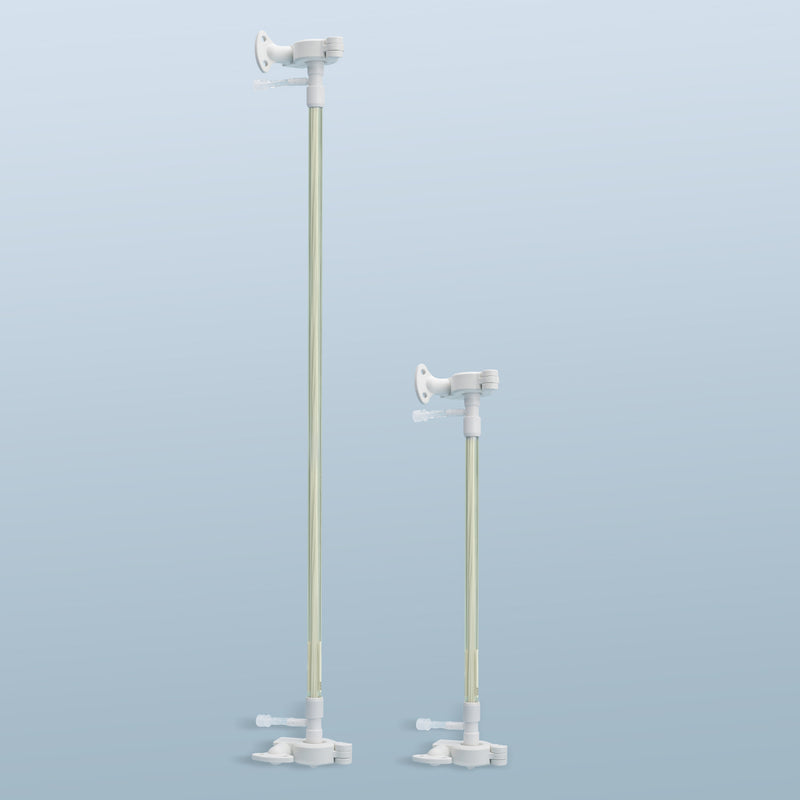
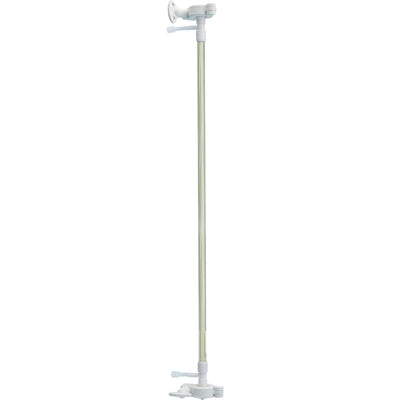
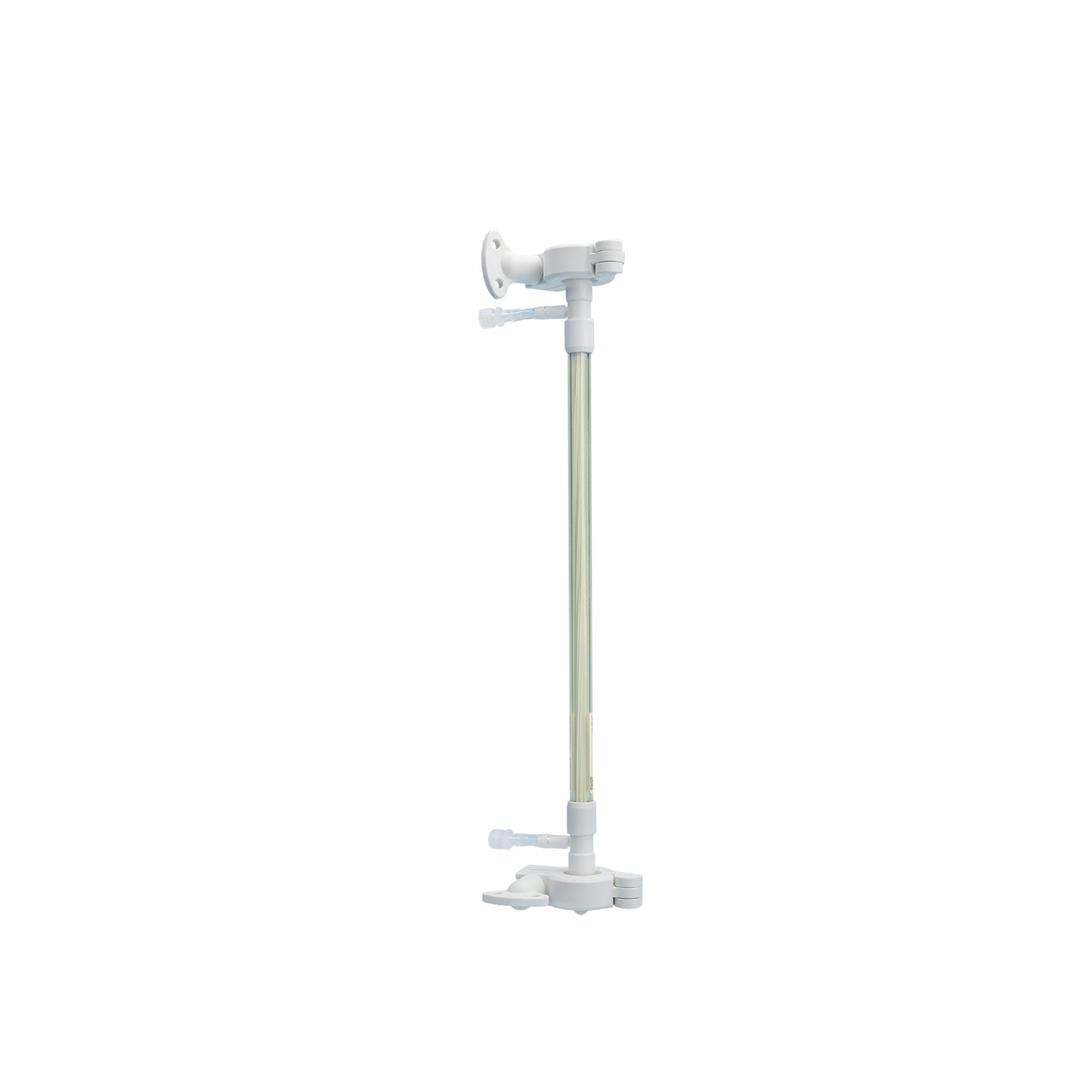
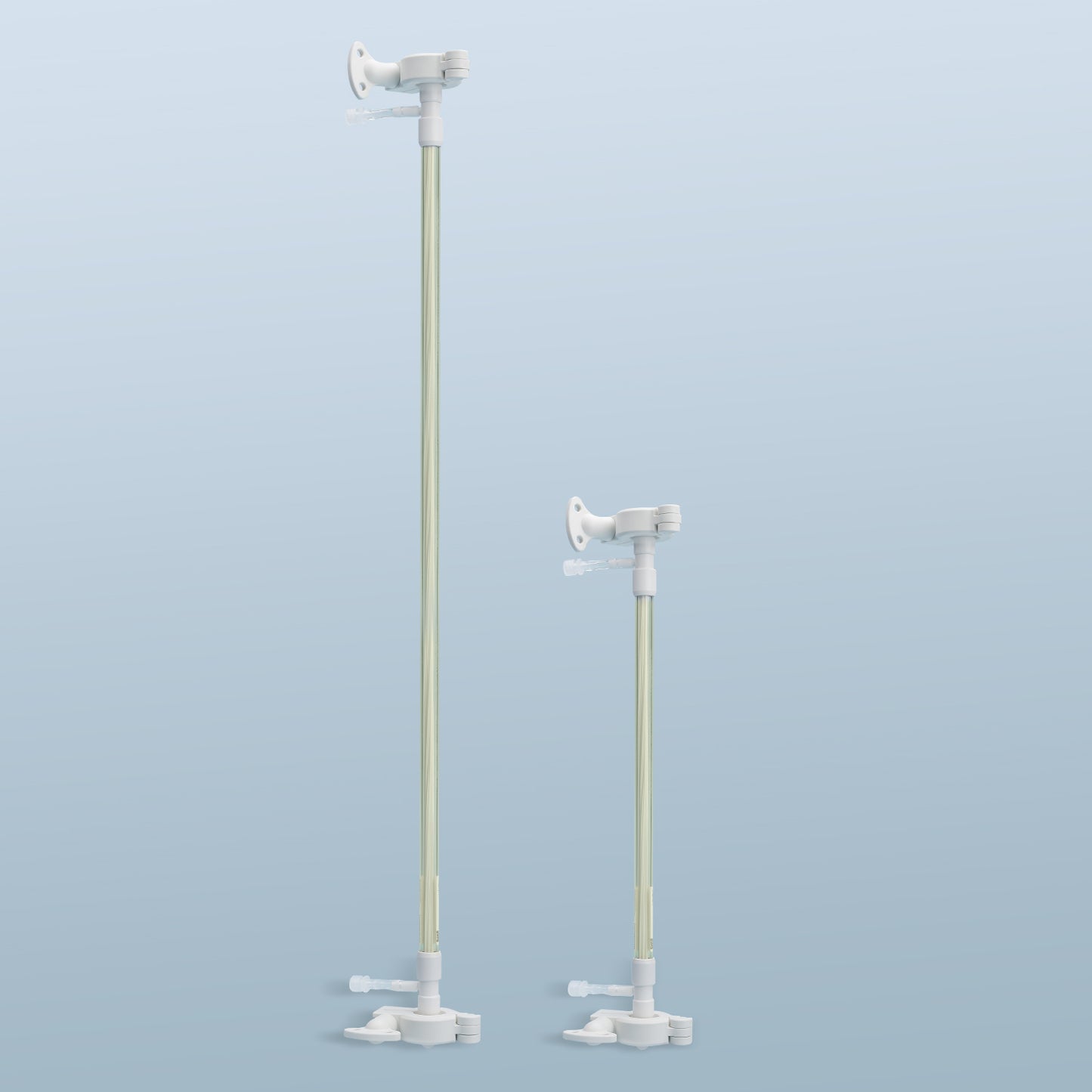
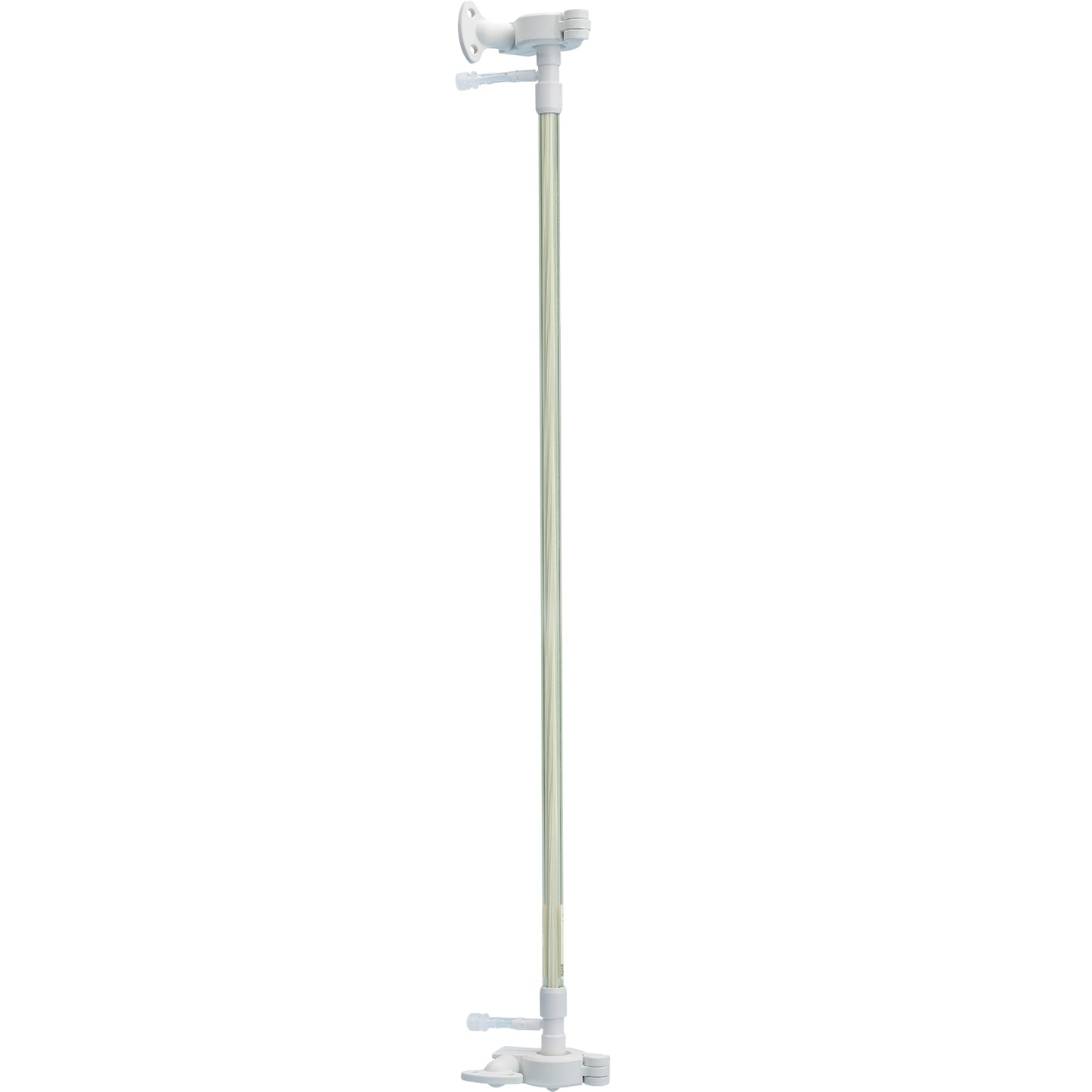
Biophsep Lab Hollow Fiber Filter mPES Membrane, Autoclavable, 1/pk

In stock
Part No. HFELA006R1030AP
Regular price $298.00 USD
Fiber ID
Length
MWCO
Loading locations...
*Ships within 9-12 Business Days
*Customers are responsible for any import duties or taxes
*Read our Shipping Policy and Refund Policy
*Not for medical use

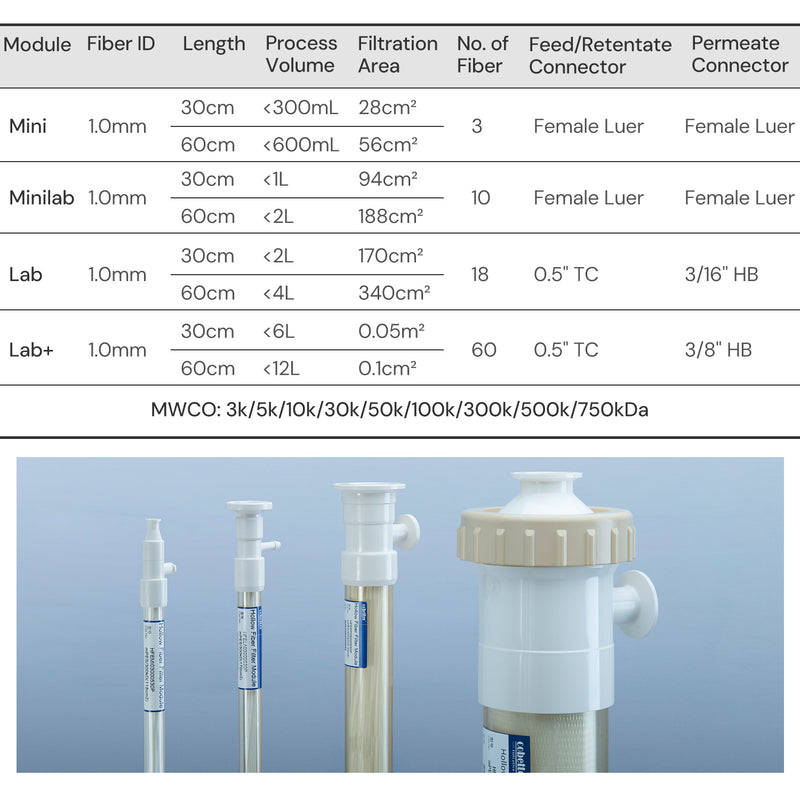
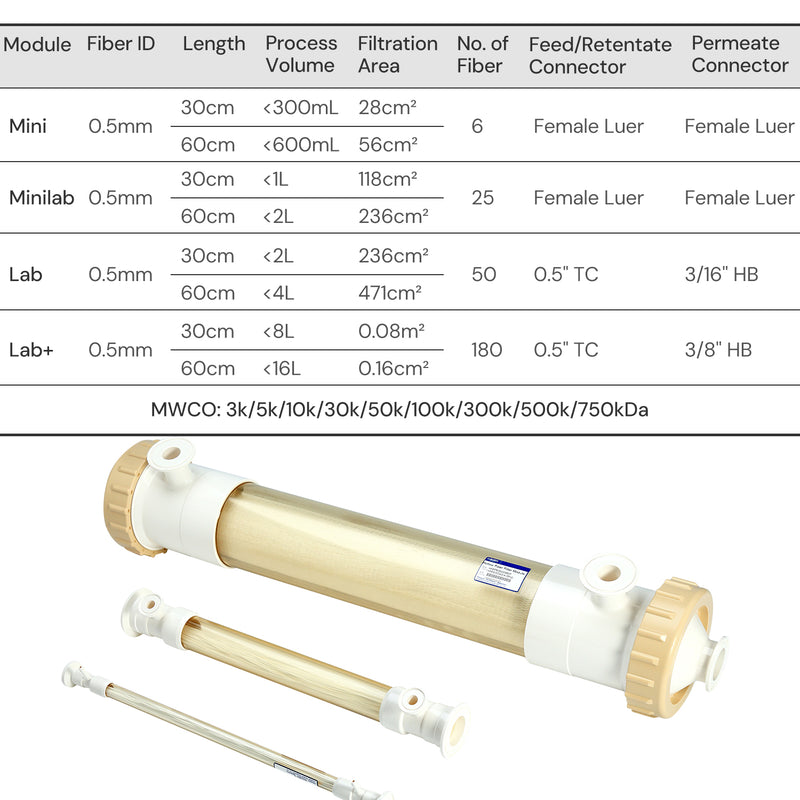
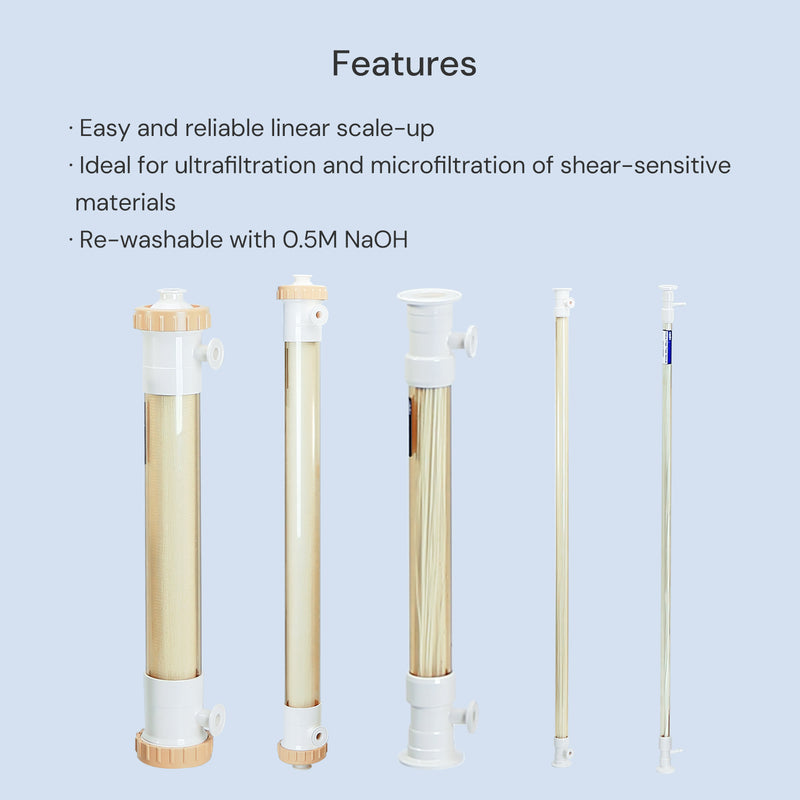
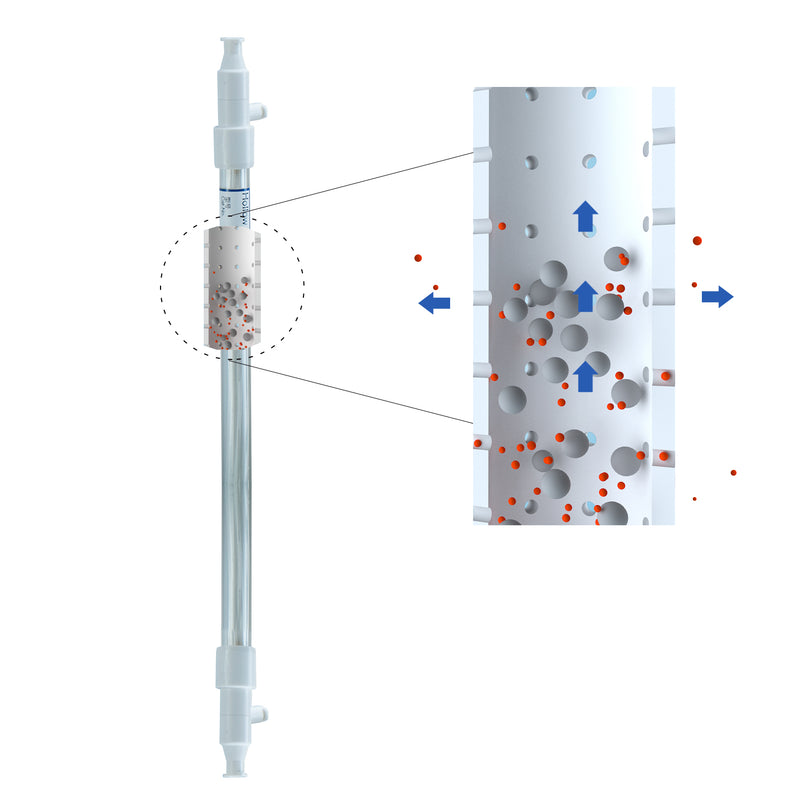
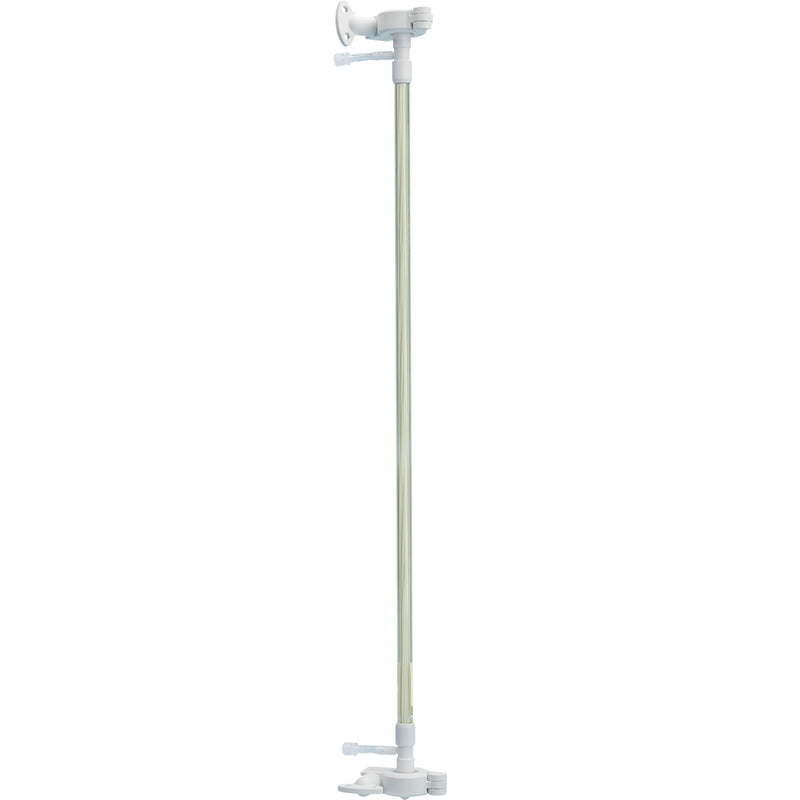
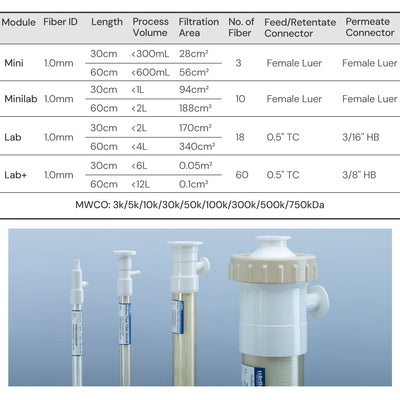
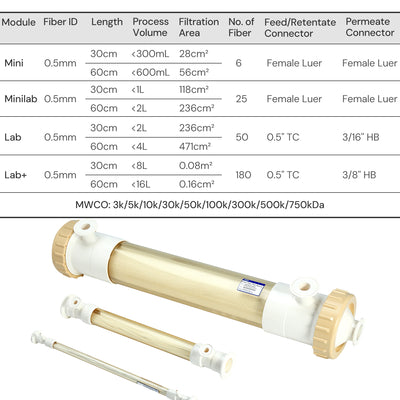
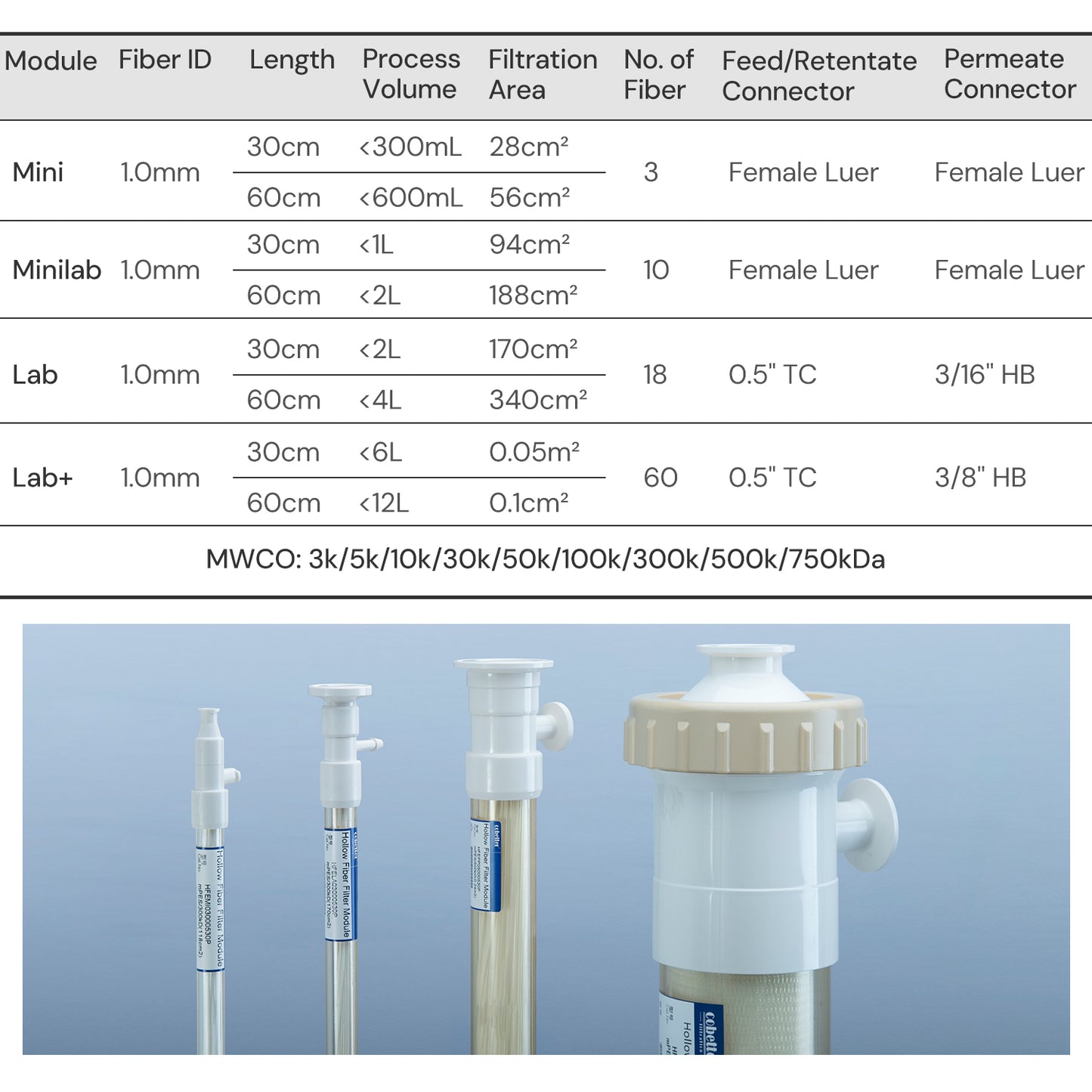
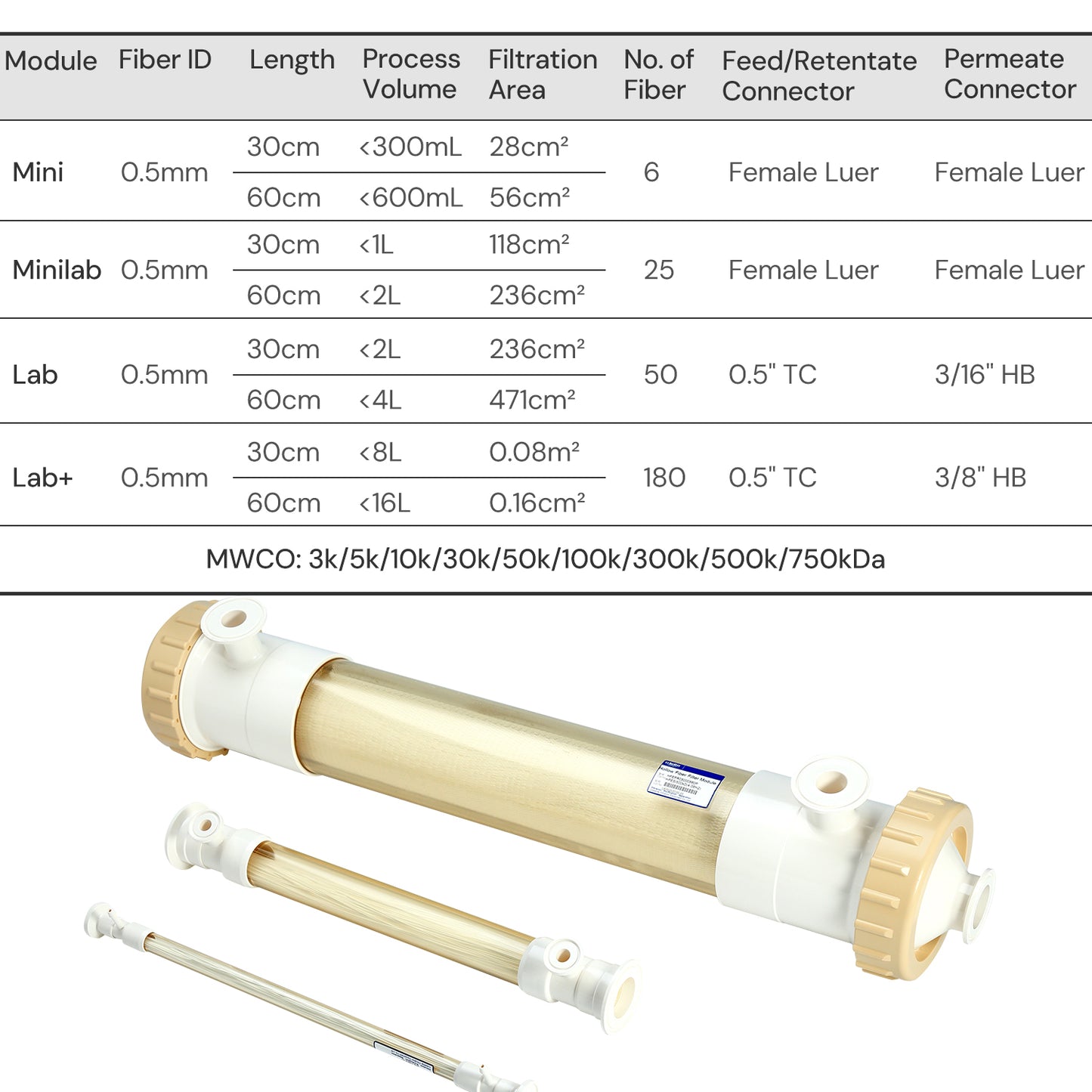
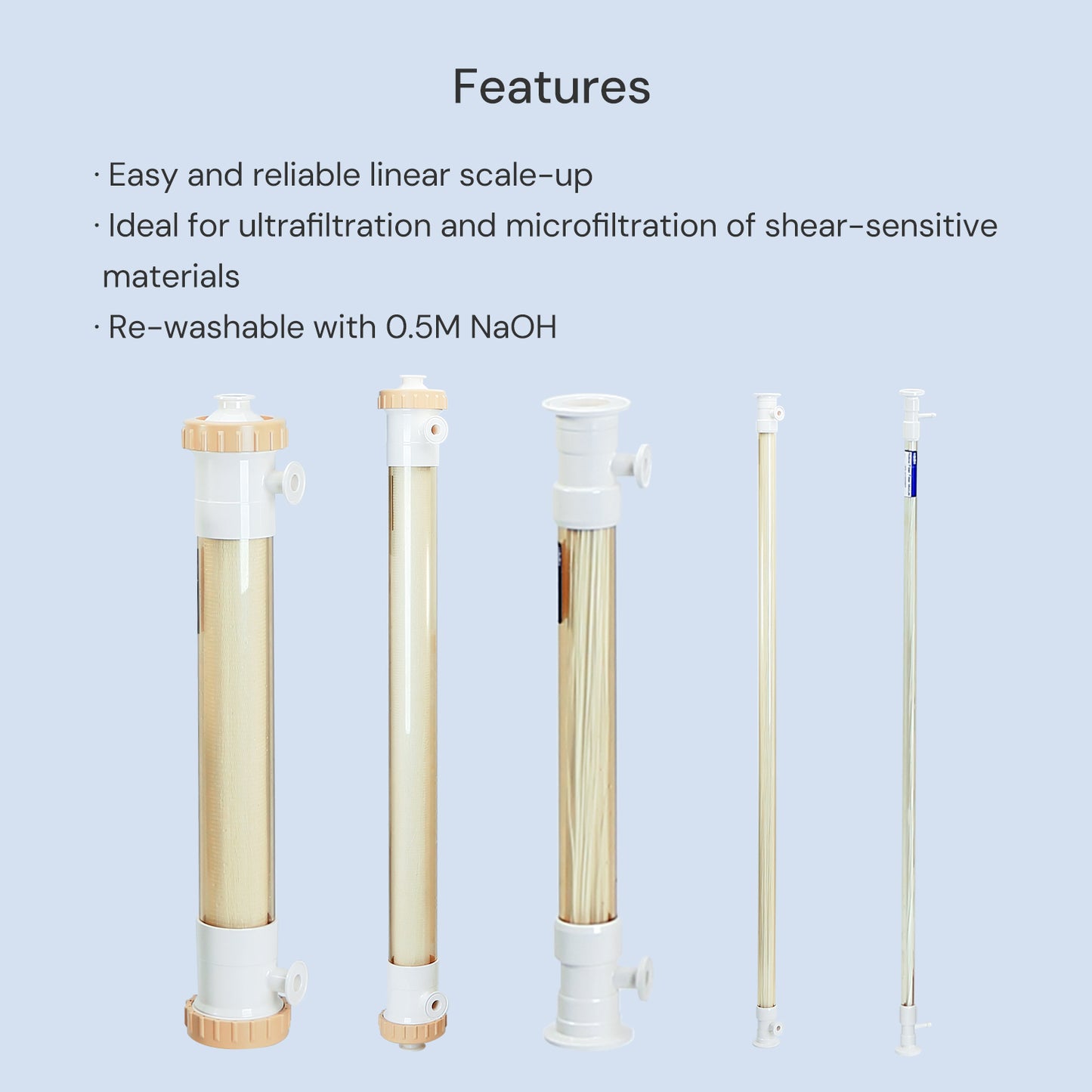
By offering various lengths, membrane filtration areas, and module diameters, Cobetter hollow fiber modules can facilitate a smooth and predictable scale-up from laboratory to pilot-scale and eventually manufacturing-scale. Available from Mini, Minilab, Lab, Pilot, Pilot+, Process and Max.

Cobetter hollow fiber modules are made of modified polyethersulfone membranes(m-PES), which have high flow flux and low protein binding. They are easy to install, clean and sanitize, and are widely used in cell harvest, clarification, perfusion, diafiltration and concentration in upstream and downstream bioprocessing.

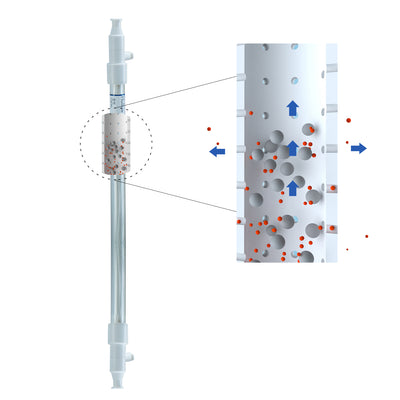
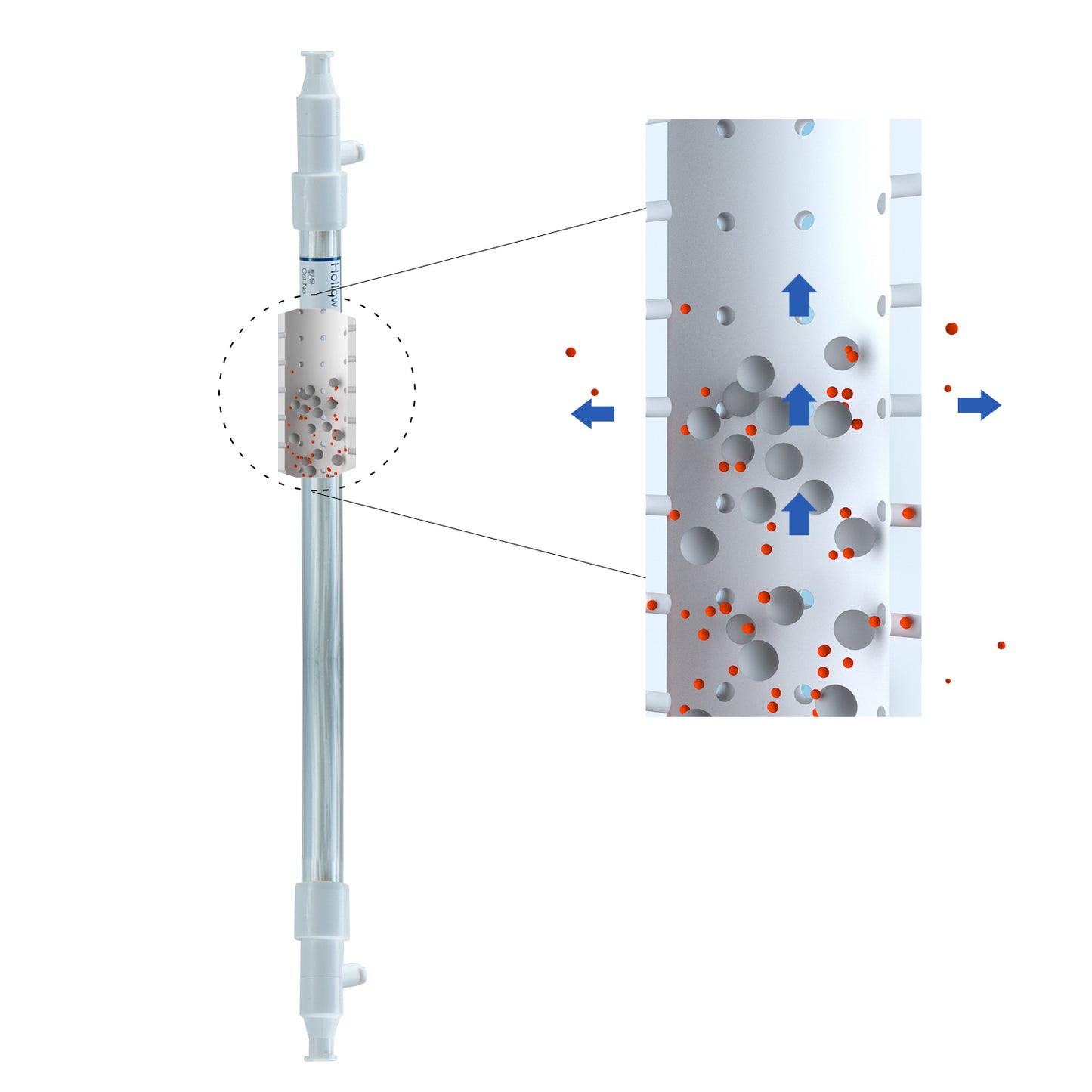
Compare with TFF Cassettes' tortuous and complicated flow path, hollow fiber filtration has a linear flow path which creates a smooth flow for more gentle separation.

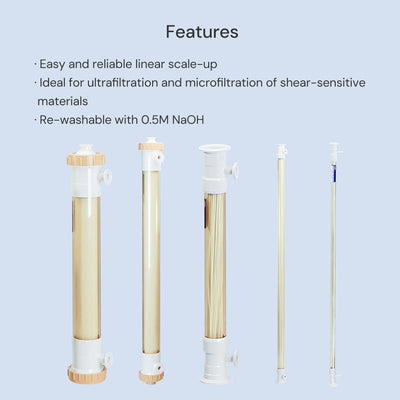
Features

  • Aseptic Process Assurance: For processes where bioburden cannot be sufficiently reduced using a 0.2 μm sterilizing-grade filter, heat sterilization hollow fiber filter can ensure aseptic operation
  • Reusable Design: The membranes can be cleaned and reused for multiple times, reducing overall operating costs
  • High Temperature and Pressure Resistance: Supports steam-in-place or autoclave

Applications

  • Yeast, oncolytic bacteria, and other cell harvesting/purification
  • Polycystic liposome concentration and diafiltration
  • Continuous cell perfusion culture
  • Aseptic concentration of lentivirus and adenovirus vaccines
  • Aseptic purification of monoclonal antibodies and recombinant proteins

Share Rate

  • The circulating flow rate of the hollow fiber depends on the product tolerance to the shear rate, in generally, it will be set at 2000/s to 10000/s, which is much smaller than the shear rate generated by the turbulent flow on the surface of the cassette screen.
  • For general materials, we usually choose a shear rate of 4000/s to 6000/s;
  • If the product is sensitive to shear force (such as lentivirus, coronavirus or macromolecular protein expressed by animal cells, large plasmids and LNP, etc.), the shear rate needs to be reduced to 2000/s;
  • If the product is with good resistance to shear force (such as small molecular proteins expressed by bacteria, etc.) shear rate could be increased to 8000/s to 10000/s.

How to choose hollow fiber MWCO?

Sufficient separation efficiency and the risks of fouling should both be taken into consideration when choosing MWCO.

To minimize the risk of fouling that inevitably occurs during membrane processing, it is advisable to choose membranes with relatively smaller pore sizes, as long as the separation efficiency and flux are maintained. This helps reduce the intrusion of impurity particles into the membrane pores, thus extending the membrane's service life.

Common processing scenarios are as follows:

  • Heat source removal of small molecules in Chinese medicines: 5kD, 10kD
  • Ultrafiltration and concentration of mABs, buffer exchange: 30kD, 50kD
  • Concentration, purification and removal of virus: 100kD, 300kD, 500kD, 750kD
  • Clarification of recombinant protein, antibody: 500kD, 750kD
  • Concentration for bacteria: 500kD, 750kD
  • Clarification of lysate: 0.2μm, 0.45μm, 0.65μm

Effective Length and Scale-Up

The process scale-up feature of hollow fibers is that direct process scale-up can be carried out as long as the effective length is kept the same.

On the contrary, due to the significant pressure drop difference between inlet and outlet that exists in different lengths, the internal pressure and flow velocity distribution of the flow channel also change correspondingly, so linear scale-up can not be performed on devices with different lengths. When processing with more fouling and high viscosity products, it is preferred to choose a module with shorter length.

Materials Feed/Retentate connectors 0.5" TC (compatible with 3/4" TC fitting)
Permeate connector 3/16'' HB

Membrane material mPES

Housing Polysulfone

End Cap
White-Polysulfone

Seals (internal) Epoxy Resin
Physical Properties Fiber ID
1.0mm 1.5mm

No. of Fibers
18 7

Effective Length
30cm
60cm
30cm
60cm
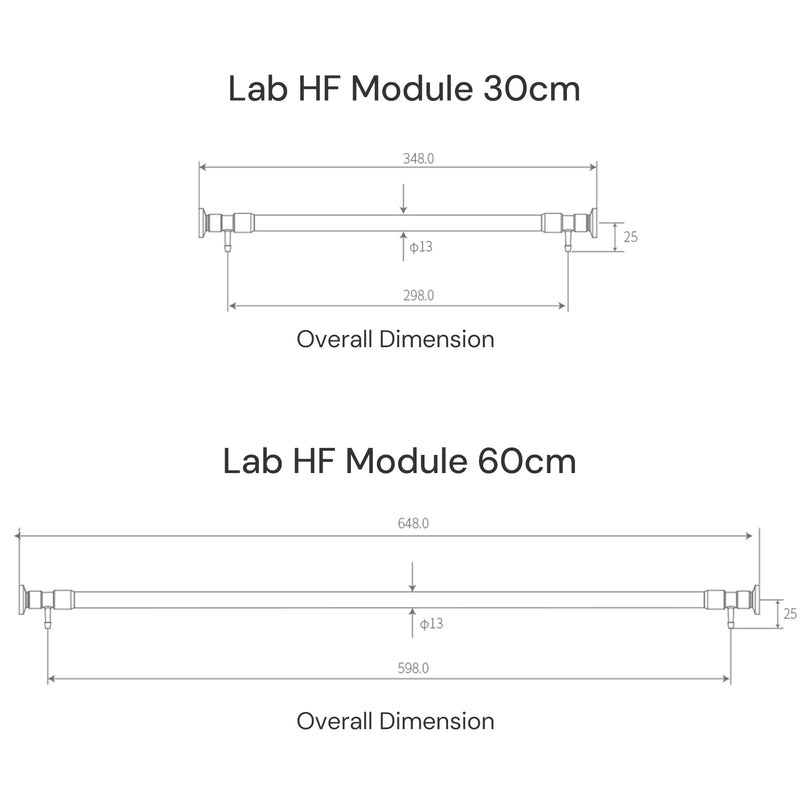
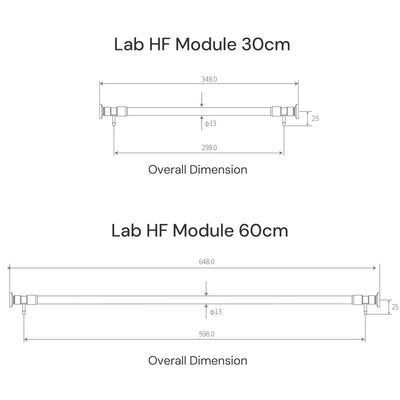
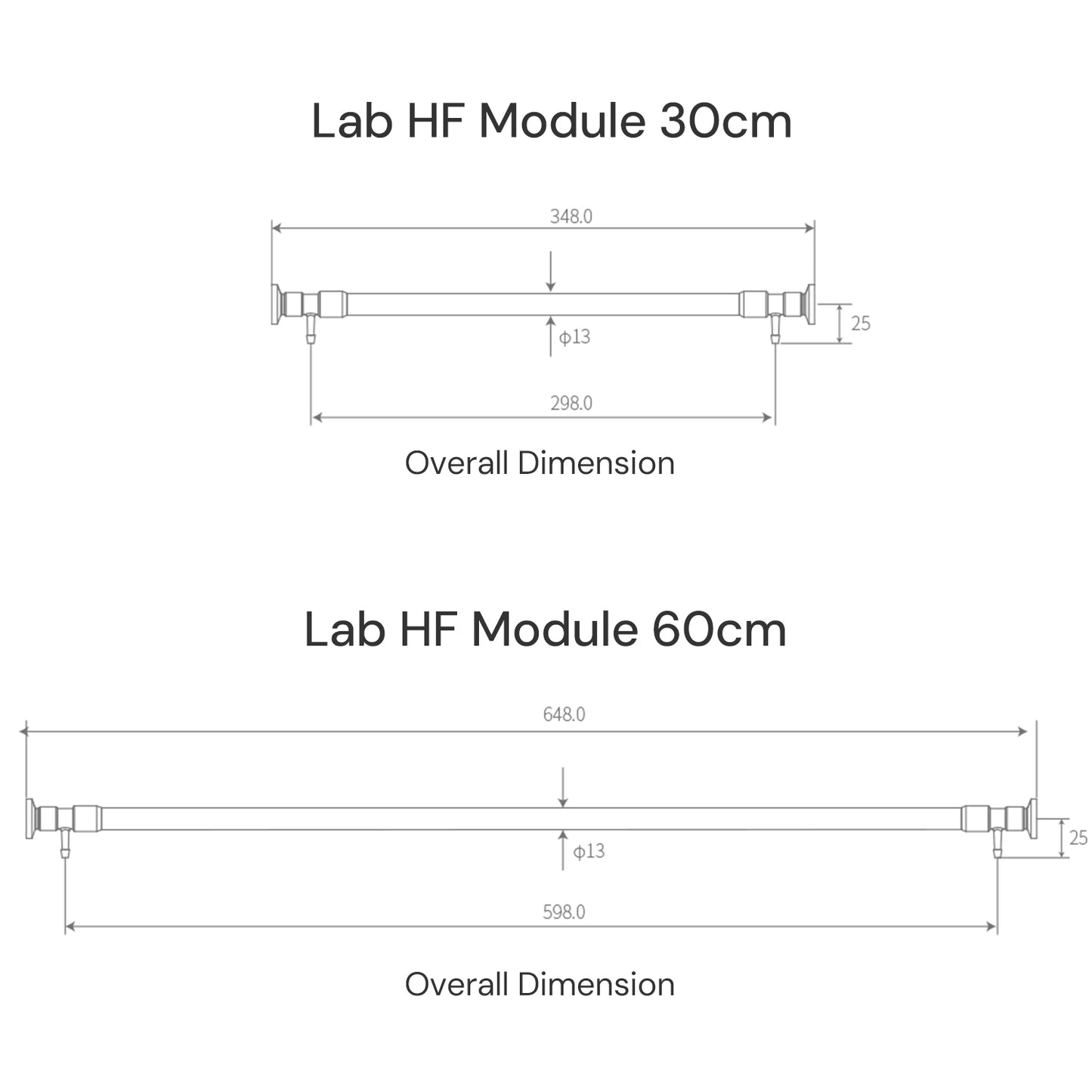
OD*L (mm*mm) 30cm: 13*348
60cm: 13*648

Effective Area
30cm: 170cm²
60cm: 340cm²
30cm: 99cm²
60cm: 198cm²

Process Volume
30cm: <1.5L
60cm: <3L
30cm: <500mL
60cm: <1L

Flow Rate@2000s-1 (mL/min)
212 278

Flow Rate@6000s-1 (mL/min)
635 834
Operating Conditions Max. Operating Temperature 80°C
Max. Operating Pressure 0.2 MPa
Sterility Delivery Condition
Non-sterile
Sterilization Method

SIP: Can be steam sterilized 10 cycles for 30 minutes at 123±0.5°C

Autoclave: Can be autoclaved 30 cycles for 30 minutes at 121°C
Package Packaging Individually packed in PE bag

Pack Size 1 pc/pk


Choose Fiber ID

  • Module with fiber of 0.5mm ID is widely used in most application scenarios to improve mass transfer efficiency.
  • Module with fiber of 1.0mm ID is ideal for products with high cell density or high solid content or high viscosity.
  • Only module with fiber of 1.0mm ID is autoclavable, as steam cannot enter the fiber of 0.5mm ID effectively.

  • Cobetter_Biophsep_Hollow_Fiber_Modules_20250627 Download

Q: What are the advantages of hollow fiber compared to cassette (flat-sheet) modules?

1. More open flow channels and relatively lower shear.
2. High packing density and large surface area per module enable a compact system footprint with minimal hold-up volume.
3. Robust handling of challenging feed streams, including high solids content or viscosity.
4. Suited for large-volume, high-flow continuous processing in drug manufacturing, such as for insulin and animal vaccines.

Q: What are the applications of hollow fiber technology?

Concentration and buffer exchange of viral vaccines.
Concentration and diafiltration of Cell and Gene Therapy (CGT) products.
Purification, concentration, and buffer exchange of mRNA products.
Biomass harvesting from bacterial fermentation, and clarification/removal of cell debris from cell culture lysates.
Cell retention in perfusion culture (ATF system).

Q: What materials and cut-offs are available for Cobetter ultrafiltration hollow fiber?

Material: m-PES.

Ultrafiltration HF are available cut-offs ranging from 3–750 kDa.
Microfiltration HF are available pore sizes ranging from 0.1–0.65 µm.

Q: Can Cobetter‘s hollow fiber modules be sterilized?

Specific series are compatible with sterilization procedures, for example, 50 kDa, 750 kDa, and 0.2 μm modules.